Updated April 2026. There is no single "best" month to visit Vancouver — the right month depends on what you want out of the trip. July is warmest, September has the best weather-to-crowds ratio, April brings the cherry blossoms, and June–July 2026 hosts the FIFA World Cup. This guide maps every month to the traveller it suits, with 2026-specific event dates and 30-year climate normals from Environment Canada.
We’ve built this around a decision matrix rather than a month-by-month brain dump. Start with the question "who are you on this trip?" — then jump to your month.
Best Month to Visit Vancouver for YOU (decision matrix)
| You care most about… | Best month | Runner-up | Why |
|---|---|---|---|
| Warmest weather, driest days | July | August | Average high 22 °C; only 36 mm rain; longest days |
| Best weather-to-crowds ratio | September | Late April | 19 °C highs, kids back in school, hotel rates drop 20–25 % |
| Cherry blossoms | April (especially 5–15) | Late March | 43,000 ornamental cherry trees peak mid-April; the Vancouver Cherry Blossom Festival runs April 3–29, 2026 |
| Skiing or snowshoeing | January | February / early March | Coldest temps; deepest snow at Cypress, Grouse, Seymour, Whistler |
| Whale watching (orcas, humpbacks) | July–August | June | Resident orca pods feed in the Salish Sea; humpbacks return in numbers |
| FIFA World Cup 2026 matches | June 13–July 7 | — | 7 matches at BC Place; 2026 mega-event calendar |
| Cheapest trip | Mid-January | Early November | Hotel rates drop 50 %+ from peak; cheapest flights |
| Alaska cruise embarkation | May or September | August | Season runs late April to early October; shoulder rates + daylight |
| Film festivals, arts & culture | Late September | October | VIFF (Vancouver International Film Festival); Writers Fest |
| Family holiday / winter magic | December | — | VanDusen Festival of Lights, Bright Nights at Stanley Park, Christmas Market |
| Photography (light, clarity) | September | February (snow + sun) | Golden-hour skies, low-angle light; dramatic post-rain clarity |
| Digital nomads (3+ week stays) | May | October | Weather trending up, tourist rates still low, full daylight returning |
Table of Contents
- Best Month to Visit Vancouver for YOU (decision matrix)
- Vancouver’s Climate in One Minute
- January: Cheapest & Snowiest
- February: Quiet, Value-Heavy, Lunar New Year
- March: The Blossoms Start
- April: Cherry Blossom Peak
- May: Shoulder Season Hits Its Stride
- June: Peak Begins & FIFA Arrives
- July: The Warmest Month
- August: The Peak Continues; Pride & PNE Arrive
- September: The Local’s Favorite
- October: Storm Season Begins; Value Holds
- November: The Wettest Month
- December: Holiday Magic in the Dark
- Head-to-Head Month Comparisons
- The Cheapest Weeks to Visit Vancouver
Wondering what the best time to visit Vancouver actually is? This month-by-month 2026 guide weighs weather, crowds, prices, and events to pinpoint the best time to visit Vancouver for every type of trip.
TL;DR: the best time to visit Vancouver for the balance of sunshine and reasonable prices is mid-May to mid-June or the second half of September.
Looking for the essentials? This guide covers everything about best time to visit Vancouver for 2026 — prices, hours, bookings, local tips, and the quirks only locals know.
Vancouver’s Climate in One Minute
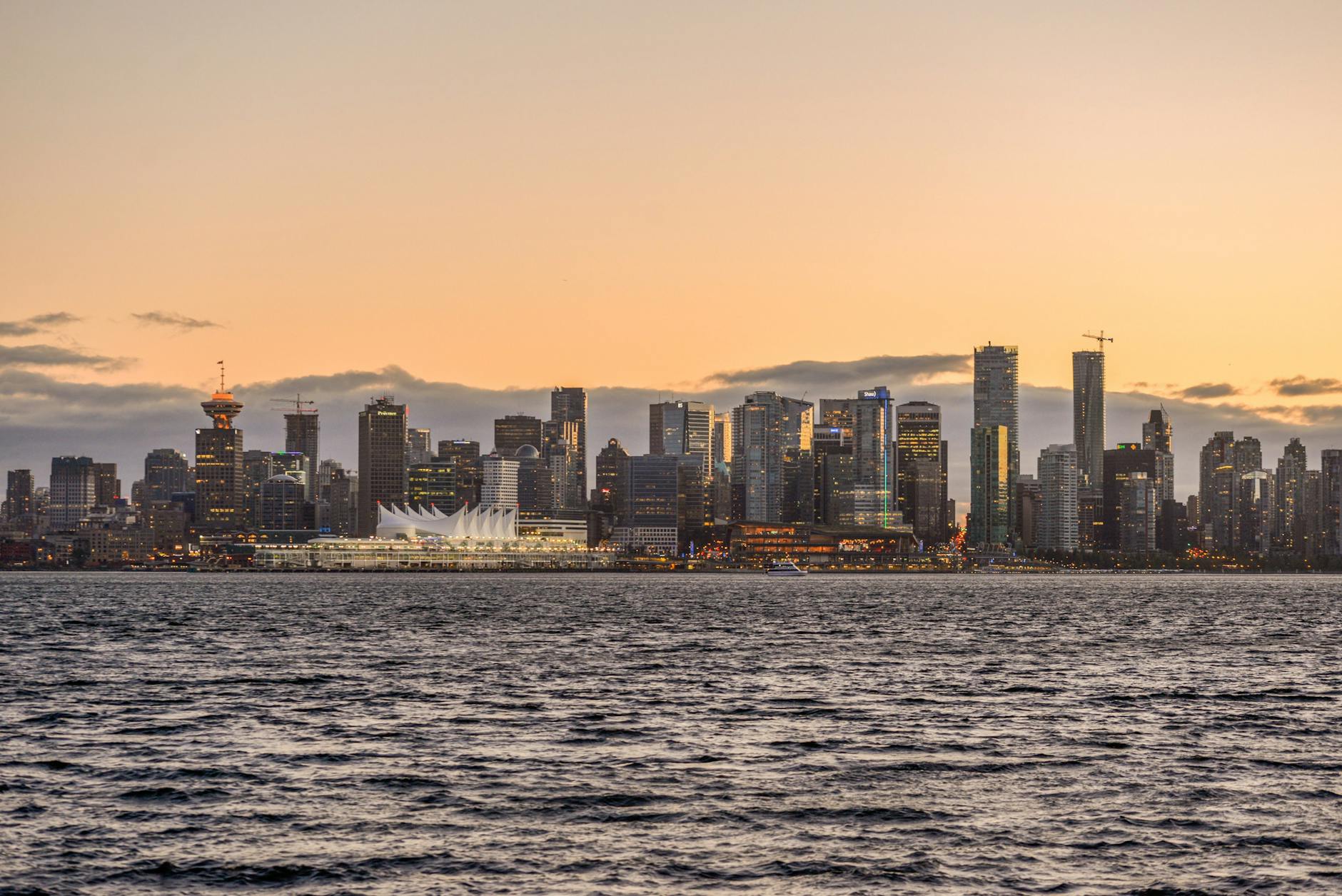
Vancouver sits on the mild, marine-influenced Pacific Coast. Winters are wet but rarely cold — it almost never drops below freezing in the city proper, though the three North Shore ski hills (Cypress, Grouse, Seymour) accumulate over 900 cm of snow annually. Summers are dry, warm, and famously pleasant: average high of 22–23 °C (72–73 °F), low humidity, and extended daylight (over 16 hours in June).
| Month | Avg high / low (°C) | Rainfall (mm) | Daylight | Crowds | Avg hotel ADR (CAD) |
|---|---|---|---|---|---|
| January | 7 / 1 | 169 | 8h 30m | Low | $160 |
| February | 8 / 2 | 105 | 10h | Low | $170 |
| March | 10 / 3 | 114 | 12h | Low-Med | $185 |
| April | 13 / 5 | 89 | 14h | Med | $215 |
| May | 17 / 8 | 65 | 15h 30m | Med-High | $260 |
| June | 20 / 11 | 54 | 16h 15m | Peak (FIFA) | $360 |
| July | 22 / 13 | 36 | 16h | Peak | $340 |
| August | 23 / 13 | 37 | 14h 30m | Peak | $330 |
| September | 19 / 10 | 51 | 13h | Med-High | $280 |
| October | 13 / 7 | 121 | 11h | Med | $210 |
| November | 9 / 4 | 189 | 9h | Low | $175 |
| December | 6 / 2 | 162 | 8h 15m | Med (holiday) | $220 |
January: Cheapest & Snowiest
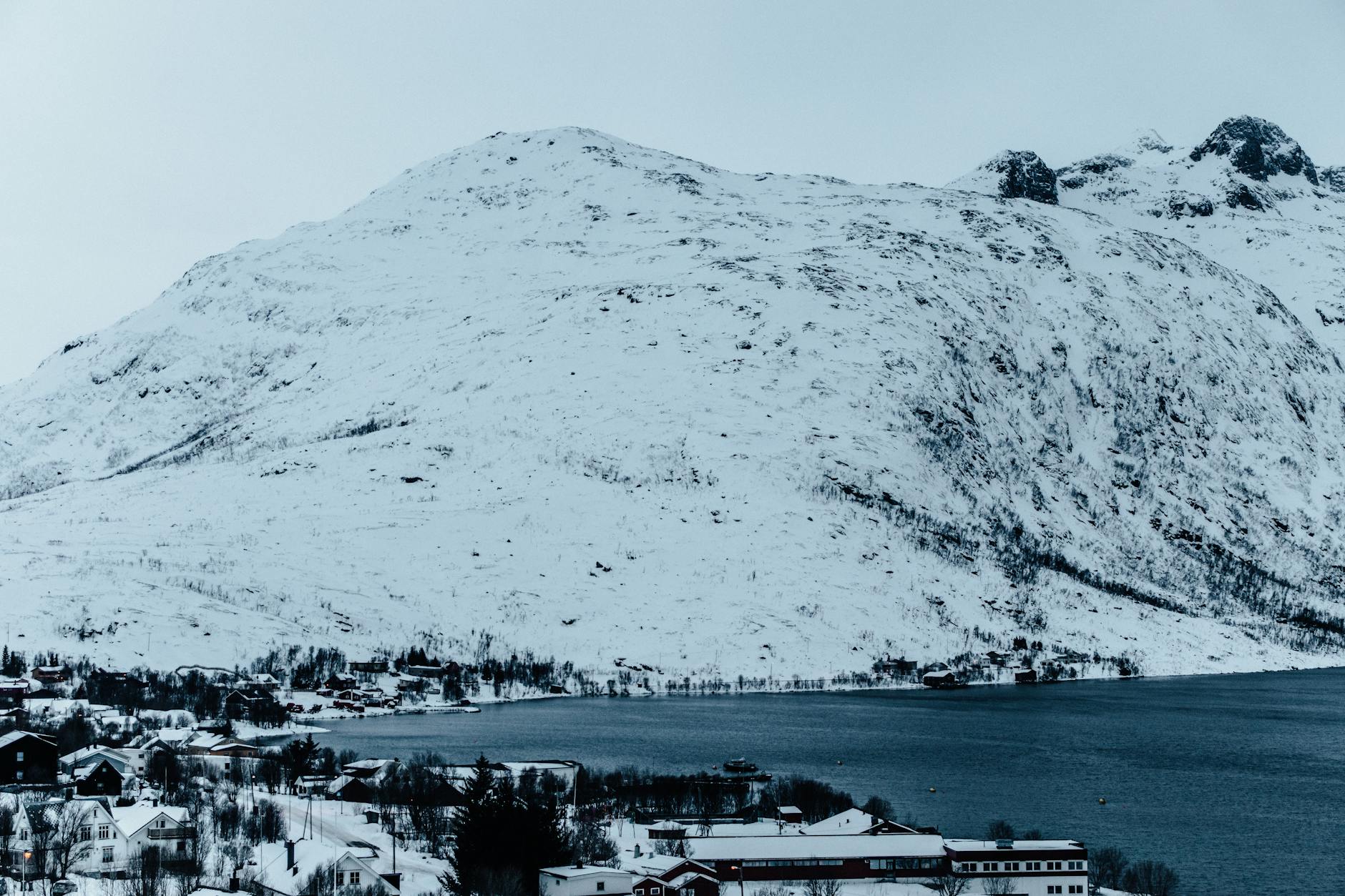
Weather: Avg. high 7 °C, low 1 °C. 169 mm rainfall. ~15 rainy days.
Daylight: Sun rises ~8:00 a.m., sets ~4:40 p.m. (growing).
Who should visit: Skiers, budget travellers, locals-off-the-beaten-path enthusiasts.
January is Vancouver’s cheapest travel month by a wide margin: hotel rates drop 45–55 % below July peak, flights are the lowest of the year after the January 6 holiday-return spike, and restaurants launch Dine Out Vancouver Festival (Jan 17–Feb 2, 2026) with $25/$35/$55 three-course tasting menus at 350+ restaurants — this is the month to book the impossible-to-get reservations (St. Lawrence, Published on Main, Kissa Tanto).
The three local mountains — Cypress, Grouse, Seymour — open by late November and run through early April. Whistler is 2 hours away and skis through mid-May. Pack waterproof shells; January in the city is wet more than cold. The "cheapest week" pattern: January 12–18 (post-holiday, pre-Chinese New Year) consistently sees hotel ADRs below $150.
February: Quiet, Value-Heavy, Lunar New Year
Weather: Avg. high 8 °C, low 2 °C. 105 mm rainfall. Slightly drier than January.
Daylight: ~10 hours.
Who should visit: Couples seeking Valentine’s in the rain; budget Dine Out continues; Lunar New Year festival-goers.
February’s Lunar New Year parade winds through Chinatown (typically the first weekend after the lunar new year); the Chinatown Storytelling Centre runs family events. The Vancouver Writers Fest has its mid-winter showcase. Ski season peaks. Hotel ADRs sit ~$170. Rain is stubborn but slightly less than January.
March: The Blossoms Start
Weather: Avg. high 10 °C, low 3 °C. 114 mm rainfall.
Daylight: ~12 hours — equinox around March 20.
Who should visit: Early-blossom photographers; ski-last-runs enthusiasts; arts-festival attendees (CapU Jazz, Vancouver International Dance Festival).
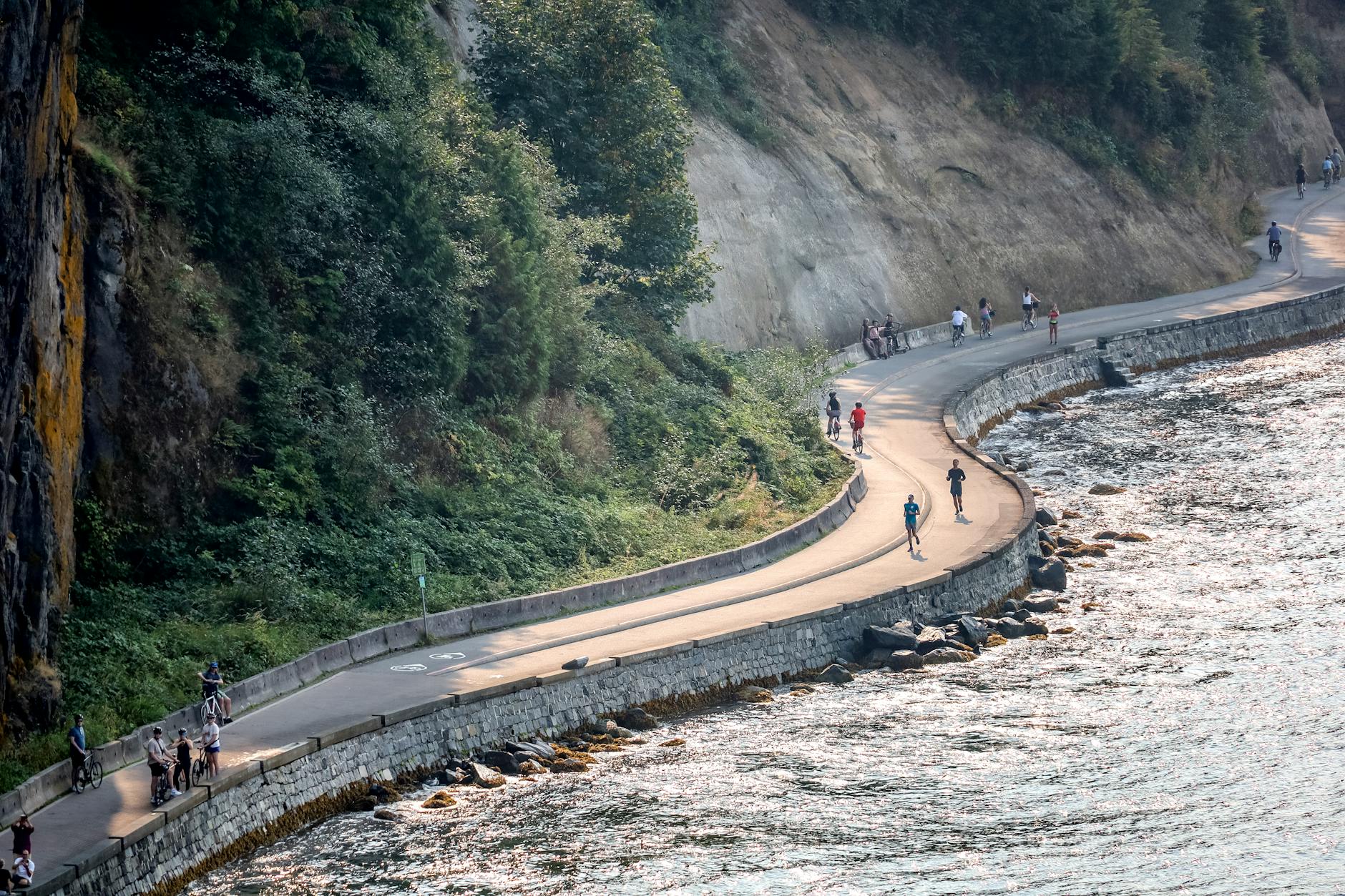
Vancouver’s ornamental cherry trees begin blooming late March in protected locations — Akebono and Whitcomb varieties are early; Kanzan peaks later. The VanDusen Botanical Garden daffodils open mid-March. Snow linger on the local mountains; you can ski in the morning and cherry-blossom-chase in the afternoon (a legitimate Vancouver bragging point).
April: Cherry Blossom Peak
Weather: Avg. high 13 °C, low 5 °C. 89 mm rainfall.
Daylight: 14 hours by month’s end.
Who should visit: Blossom chasers, couples, photographers, crowd-averse travellers.
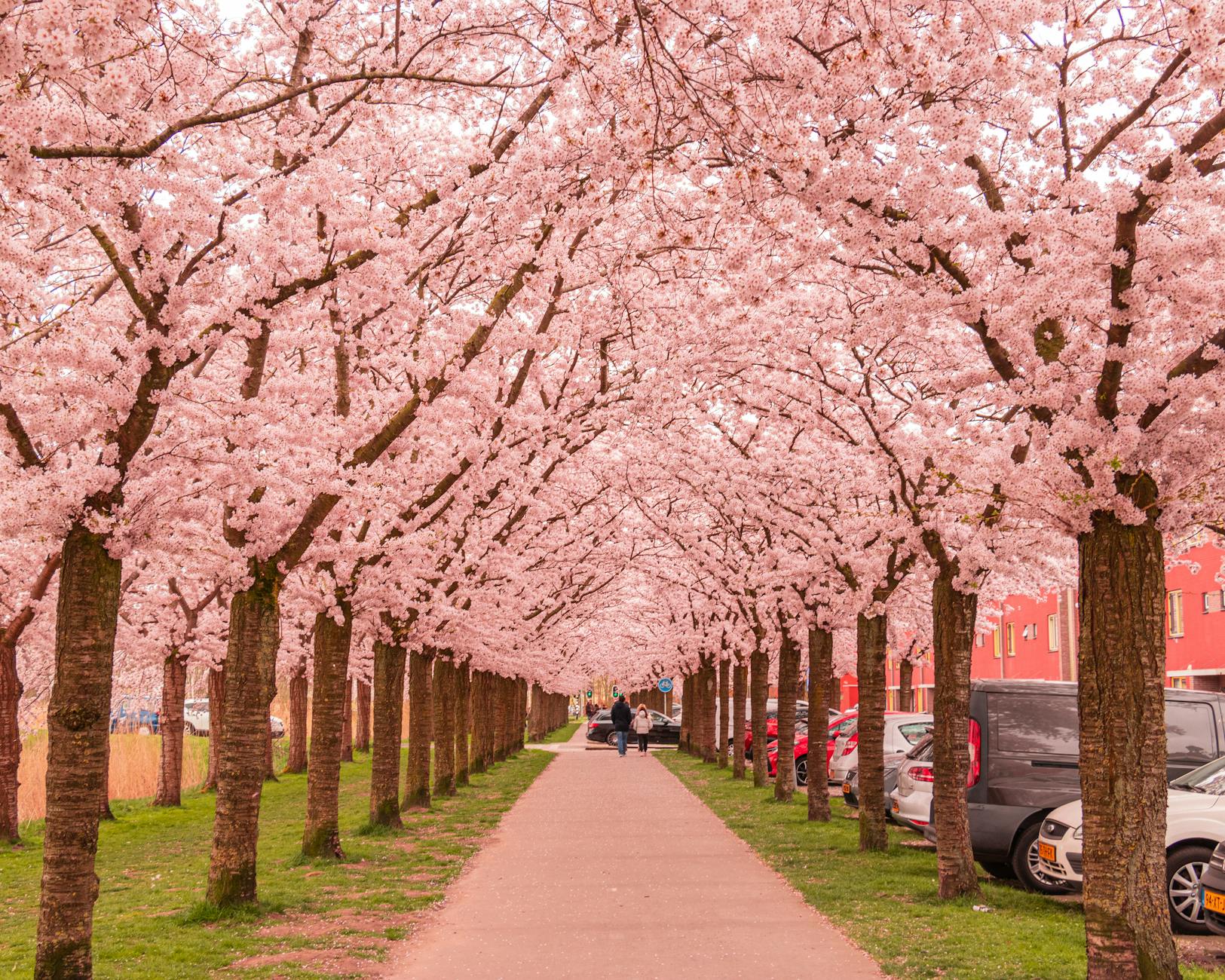
April is when Vancouver’s 43,000 ornamental cherry trees reach peak bloom — roughly April 5–15, 2026 for most Kanzan varieties. The Vancouver Cherry Blossom Festival runs April 3–29, 2026, with the Big Picnic under the blossom tunnel at David Lam Park typically on the first Sunday. Best viewing locations: Queen Elizabeth Park, Graveley Street, Burrard SkyTrain Station, the Japanese Garden at VanDusen, Stanley Park near Lumbermen’s Arch. Weather is warming, crowds haven’t yet built, and hotel rates average $215.
May: Shoulder Season Hits Its Stride
Weather: Avg. high 17 °C, low 8 °C. 65 mm rainfall.
Daylight: 15½ hours.
Who should visit: First-time visitors wanting comfortable weather and manageable crowds; Alaska cruisers; digital nomads.
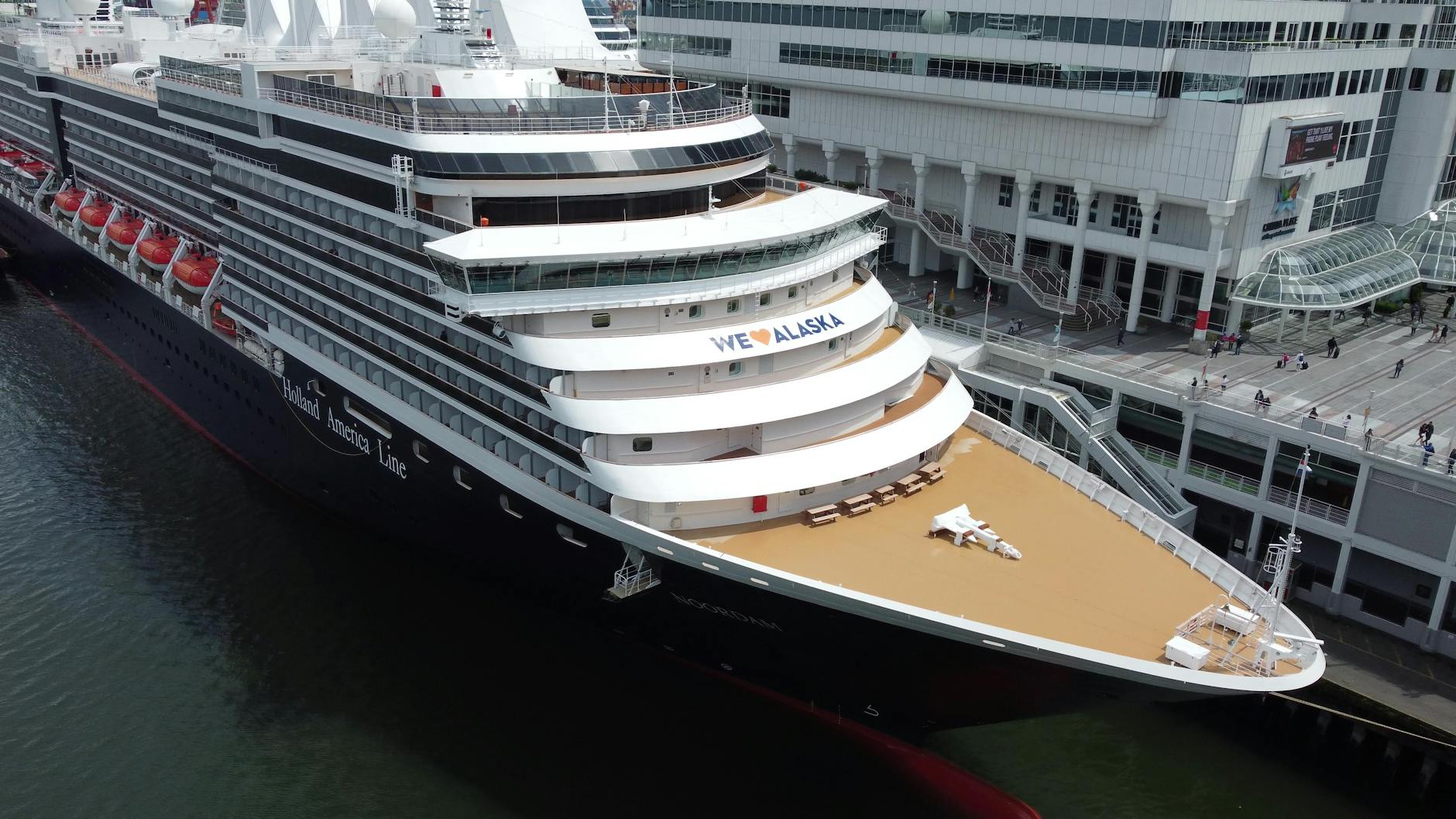
May is the month Vancouver locals half-seriously recommend to out-of-town friends. The weather has turned — sunny afternoons, 17 °C highs — but the tourism peak is still three weeks away. Alaska cruise season opens mid-to-late April; May Saturdays see sailings leaving Canada Place (the best time to photograph cruise ships from Stanley Park). Vancouver Craft Beer Week (late May/early June) launches the summer festival season. Hotel ADRs ~$260.
June: Peak Begins & FIFA Arrives
Weather: Avg. high 20 °C, low 11 °C. 54 mm rainfall.
Daylight: 16h 15m at the June 21 solstice.
Who should visit: FIFA fans; early-summer beach-goers; festival enthusiasts.
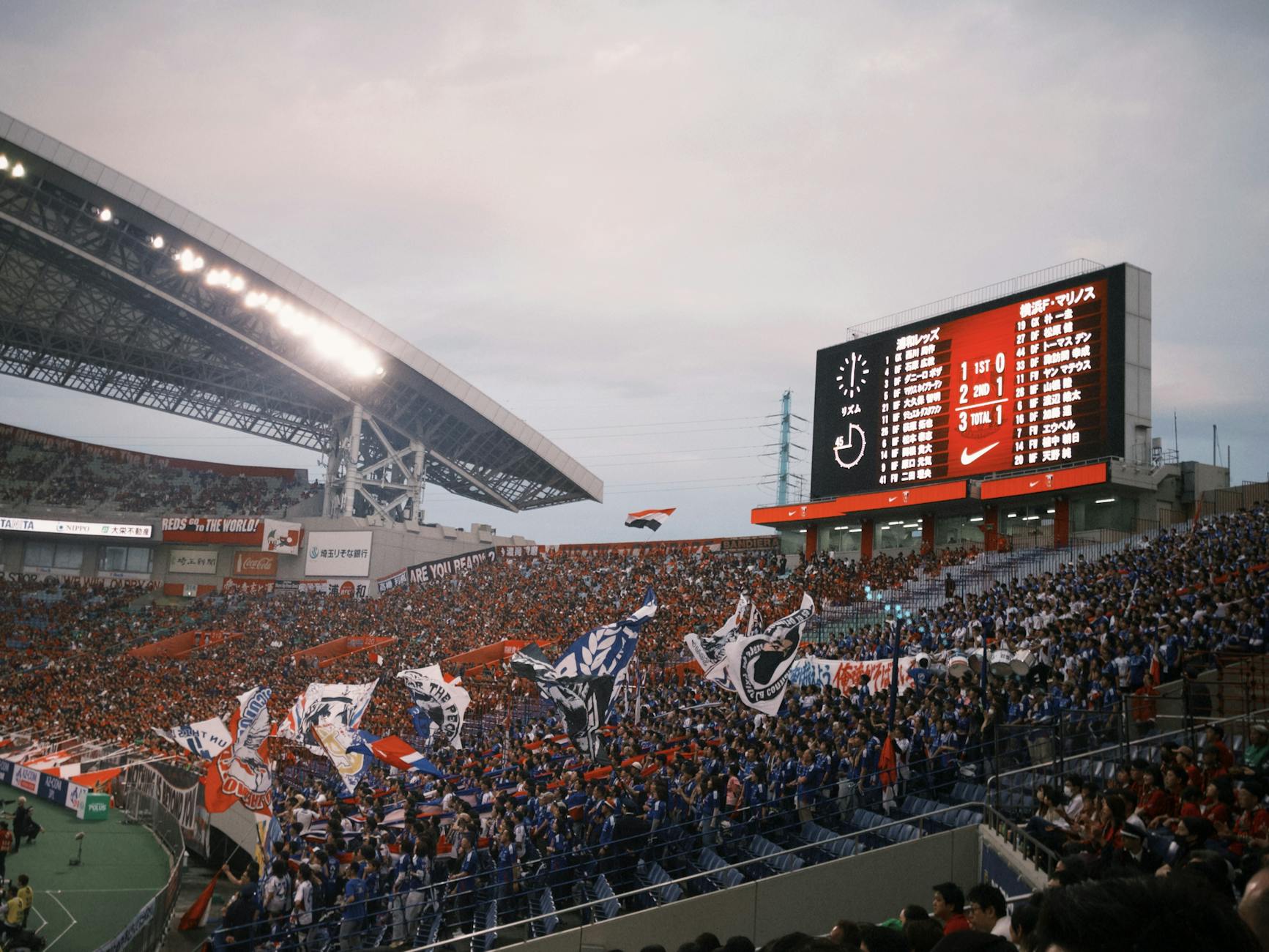
June 2026 is the month. FIFA World Cup matches arrive at BC Place on June 13, 18, 21, 24, and 26, with group-stage games featuring Canada vs. Qatar, Switzerland vs. Canada, Australia vs. Turkey, New Zealand vs. Egypt, and New Zealand vs. Belgium. Hotel rates on match nights surge 80–140 %. The Bard on the Beach Shakespeare festival opens (Jun 3–Sep 26, 2026), and the TD Vancouver International Jazz Festival runs late June into early July. Celebrate Canada Day (July 1) warm-ups fill Canada Place the last weekend.
If you’re not a FIFA fan and want to visit in June 2026, consider flipping to Whistler or Victoria on match dates, or booking before June 13. Non-match June weekdays are still reasonable.
July: The Warmest Month
Weather: Avg. high 22 °C, low 13 °C. 36 mm rainfall (Vancouver’s driest month).
Daylight: Still over 16 hours early in the month.
Who should visit: Beach-goers; event chasers; families on summer break; FIFA fans (the tournament continues through July 7).
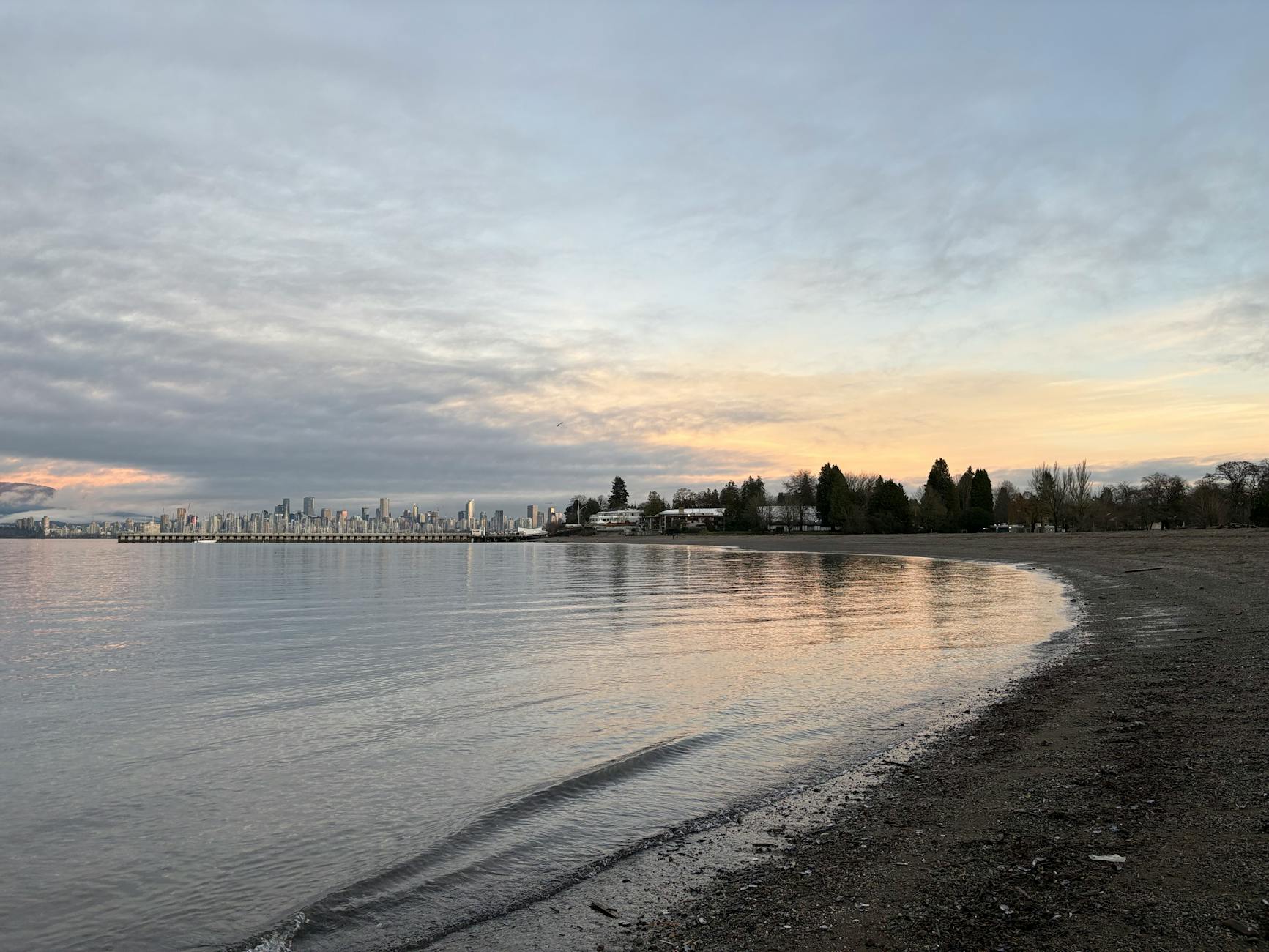
July finishes FIFA (Round of 32 July 2; Round of 16 July 7) and launches Vancouver’s peak summer festival season. Honda Celebration of Light fireworks compete over English Bay on July 25, August 1, and August 5 — book a West End hotel with balcony if dates align. Vancouver Folk Music Festival, Khatsahlano Street Party, Queer Arts Festival. Whale watching peaks with resident orca pods feeding in the Salish Sea. Stanley Park beaches (Second Beach, Third Beach, English Bay) are packed by 1 p.m. Arrive by 10 a.m. for a spot.
August: The Peak Continues; Pride & PNE Arrive
Weather: Avg. high 23 °C, low 13 °C. 37 mm rainfall.
Daylight: 14½ hours by month’s end.
Who should visit: Peak-summer travellers; Pride attendees; families (PNE fair opens Aug 22).
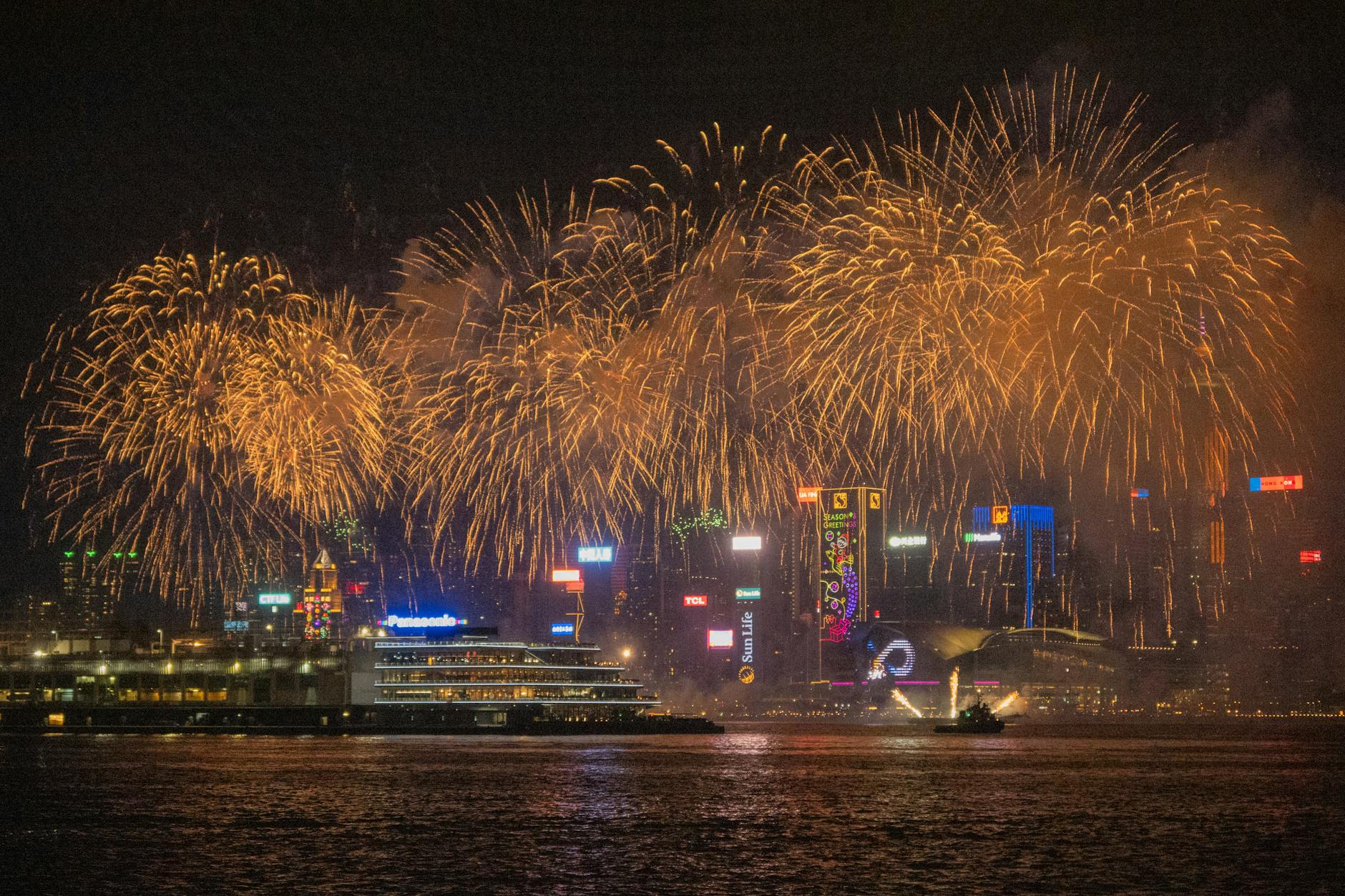
August is warm, dry, and busy. Vancouver Pride Parade (typically the first Sunday in August) is the city’s biggest street event; the Davie Street Party closes the village Friday and Saturday. The PNE fair runs Aug 22–Sep 7 at Hastings Park (rides, minidonuts, Superdogs). Cruise-season Saturdays continue to sell out downtown hotels. Fire-season haze can occasionally drift in from BC Interior wildfires — this has become a real consideration for photographers; check the AQHI on visiting-day mornings.

September: The Local’s Favorite
Weather: Avg. high 19 °C, low 10 °C. 51 mm rainfall.
Daylight: 13 hours.
Who should visit: Mid-budget first-timers; foodies; photographers; cruisers bookending their Alaska sailing.
If you ask ten Vancouverites which month they’d recommend to a friend, six will say September. Weather holds at 19 °C with low humidity, crowds drop sharply after Labour Day, and hotel ADRs fall ~20 % from peak. Vancouver International Film Festival (VIFF) opens late September. Alaska cruises continue through early October. This is the month to book Tojo’s, Published on Main, and St. Lawrence — reservations are merely difficult rather than impossible.
October: Storm Season Begins; Value Holds
Weather: Avg. high 13 °C, low 7 °C. 121 mm rainfall — Vancouver’s transition into storm season.
Daylight: 11 hours.
Who should visit: Writers-Fest-goers (Vancouver Writers Fest late October); fall-colour photographers at VanDusen & UBC; travellers who love coastal Pacific Northwest weather.
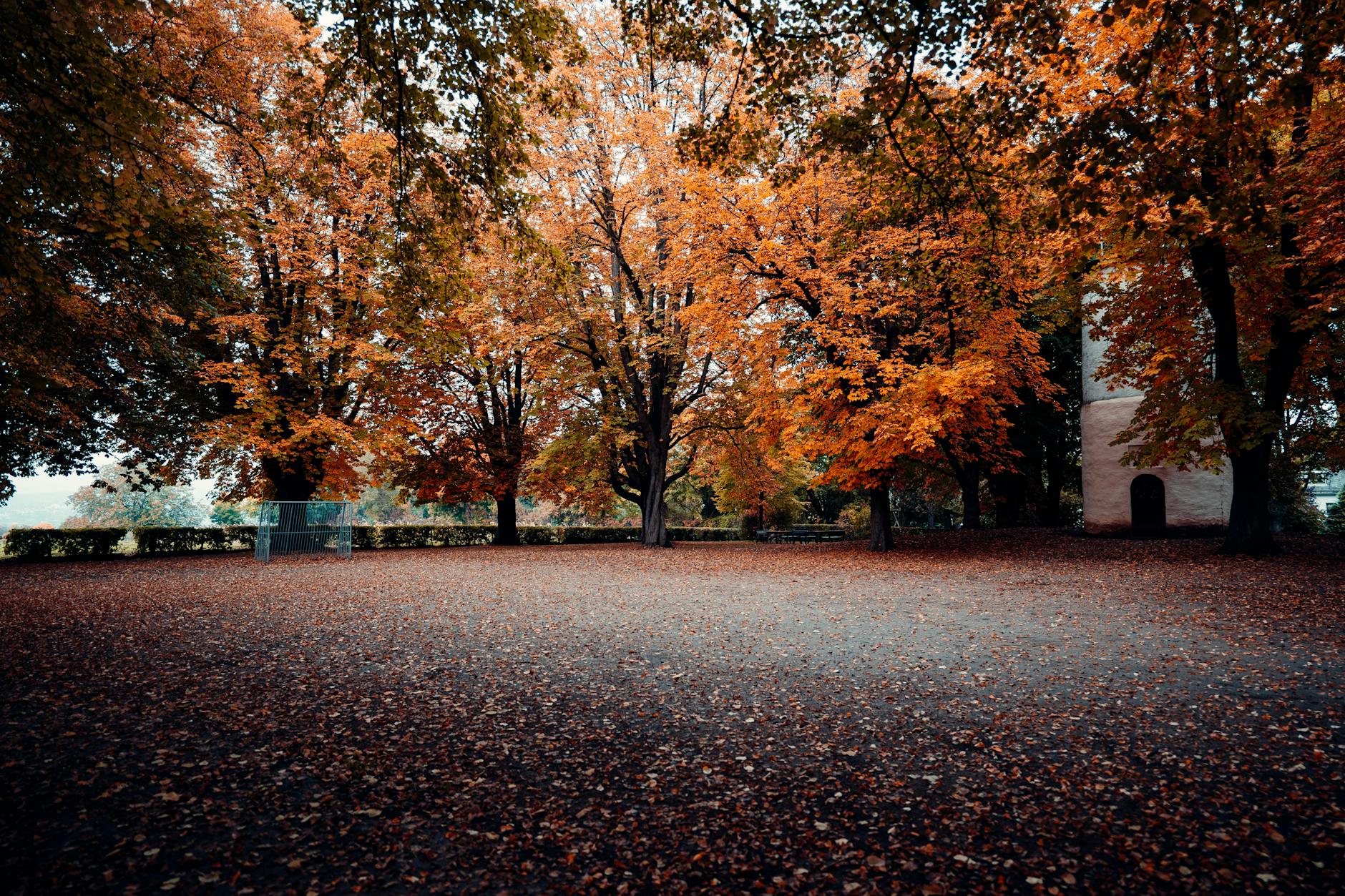
October is moody and often beautiful — Stanley Park’s deciduous trees turn in the second half of the month, and post-rain sun makes for luminous photography light. Hotel rates have dropped to $210 average. The city doesn’t shut down — indoor options like the Museum of Anthropology, FlyOver Canada, the Vancouver Aquarium, and the brewery district make rainy-day plans easy.

November: The Wettest Month
Weather: Avg. high 9 °C, low 4 °C. 189 mm rainfall (the wettest month).
Daylight: Sun sets before 5 p.m.
Who should visit: Ski-season-opening enthusiasts; Grey Cup fans (if hosted at BC Place); travellers who want the cheapest possible rates and don’t mind umbrellas.
November is quiet. Hotel ADRs drop to $175. The local ski hills open late in the month (Cypress typically Nov 28; Grouse Nov 22; Seymour Dec 6; Whistler Nov 27). The Bright Nights Christmas train at Stanley Park lights the first weekend of December, but setup starts in late November. Pack waterproof shells, waterproof shoes, and a sense of humour about the weather.
December: Holiday Magic in the Dark
Weather: Avg. high 6 °C, low 2 °C. 162 mm rainfall.
Daylight: Just 8h 15m at the December 21 solstice (Vancouver’s shortest day).
Who should visit: Family Christmas market-goers; ski early-birds; cozy-restaurant diners.
December has its own charms. The VanDusen Festival of Lights (typically Dec 1–Jan 2) illuminates a million lights through the botanical garden. Bright Nights at Stanley Park runs through early January. The Vancouver Christmas Market at Jack Poole Plaza brings German mulled wine, gingerbread, and craft stalls. Hotel rates climb mid-month as holiday travel begins; the cheapest December week is early (Dec 1–10) or early January (Jan 2–18).
Head-to-Head Month Comparisons
August vs. September
August has the best beach weather and the biggest events (Pride, fireworks, PNE). September has nearly the same temperatures, fewer crowds, lower hotel rates, and film-festival energy. Pick September unless you’re specifically in town for Pride or Celebration of Light.
June vs. September
Both have similar daytime temps (20 vs. 19 °C). June has longer daylight and the FIFA World Cup energy; September has lower prices and more relaxed attractions. Pick June for events and long days; September for value and calm.
April vs. May
April gives you cherry blossoms and cheaper hotels. May gives you warmer weather and the start of cruise season. Pick April if you’re a blossom chaser; May if you want warmth without July-level crowds.
January vs. February (ski trips)
January is often the coldest and snowiest. February sees more stable base + longer daylight. Pick February for ski trips — better conditions and less chance of rain-on-snow storms.
The Cheapest Weeks to Visit Vancouver
| Window | Typical hotel ADR (CAD) | Why it’s cheap |
|---|---|---|
| Jan 12–18, 2026 | $145 | Post-holiday, pre-Lunar NY, pre-Valentine’s; deepest value of the year |
| Feb 17–Mar 1, 2026 | $165 | Post-Family Day (BC holiday), pre-spring-break |
| Apr 13–25, 2026 | $200 | Post-blossom-peak, pre-cruise season |
| Oct 19–Nov 8, 2026 | $180 | Post-Thanksgiving, pre-ski season |
| Dec 1–10, 2026 | $190 | Post-US Thanksgiving, pre-holiday travel |
Avoid at all costs if you’re price-sensitive: FIFA match nights (Jun 13, 18, 21, 24, 26; Jul 2, 7); BC Day long weekend (early August); the first full weekend of the Vancouver Marathon (early May); cruise-season Saturdays at Canada Place-adjacent hotels.
Rainy-Day Playbook by Month
Vancouver receives measurable rain on 159 days per year on average. Planning around rain doesn’t mean avoiding it — it means knowing the indoor equivalents.
- November & December (often stormy): Museum of Vancouver + Maritime Museum (both in Vanier Park); VanDusen Festival of Lights; dim sum crawl on Main Street; brewery tour in Mount Pleasant.
- January & February: Dine Out Vancouver Festival; PNE’s indoor hockey games at Rogers Arena; Vancouver Aquarium; MOA at UBC.
- March, April (showery): Cherry-blossom photography between showers (the light pops); Vancouver Art Gallery; Polygon Gallery on the North Shore; Gastown coffee-bar crawl.
- Late spring / summer (brief rain): wait it out at Granville Island’s indoor Public Market; Guelph Street Fire Hall architecture walk; FlyOver Canada for its VR motion-flight (timed tickets).
- September & October (variable): VIFF screenings; Writers Fest readings; rainy-day picnics inside the Vancouver Public Library’s atrium; coffee and pastries at Bel Café.
Should You Avoid Vancouver During FIFA 2026?
If you aren’t a football fan and you’re price-sensitive, yes — or at least dodge the match dates. Between June 13 and July 7, Vancouver hotel rates run 40–140 % above normal, restaurant reservations vanish 5–7 days in advance, and transit crushes after each game. Match dates at BC Place:
- Saturday, June 13 — Australia vs. Turkey
- Thursday, June 18 — Canada vs. Qatar
- Sunday, June 21 — New Zealand vs. Egypt
- Wednesday, June 24 — Switzerland vs. Canada
- Friday, June 26 — New Zealand vs. Belgium
- Thursday, July 2 — Round of 32
- Tuesday, July 7 — Round of 16
The cleanest FIFA-avoidance window in June/July is June 28–July 1 (between the group-stage finale and the Round of 32). Alternatively, stay in Whistler or Victoria on match nights and day-trip into Vancouver for non-match activities.
Frequently Asked Questions
What is the best time to visit Vancouver?
July and August are warmest. September has the best weather-to-crowds balance. April brings the cherry blossoms. The "best" month depends on which of those matters most to you — see the decision matrix at the top.
What is the cheapest month to visit Vancouver?
January. Hotel rates drop 45–55 % below July peak; flights are cheapest; Dine Out Vancouver Festival gives you $25/$35/$55 three-course tasting menus at 350+ restaurants. The cheapest week is roughly January 12–18, 2026.
What is the rainiest month in Vancouver?
November, averaging 189 mm across ~19 days. December and January are close behind at 162 and 169 mm respectively.
Is Vancouver worth visiting in winter?
Yes — if you’re skiing (three local hills, plus Whistler two hours north), dining (Dine Out Vancouver Festival in January/February), or city-exploring on a budget. It’s not worth visiting in winter for beaches or Stanley Park Seawall photography.
When do cherry blossoms bloom in Vancouver 2026?
Early varieties (Akebono, Whitcomb) start blooming late March 2026. The dominant Kanzan variety peaks April 5–15. The Vancouver Cherry Blossom Festival runs April 3–29, 2026, with festival events throughout.
Is June or September better for Vancouver?
June has longer days, warmer evenings, and the 2026 FIFA World Cup. September has lower prices, fewer crowds, and nearly the same daytime temperatures. Pick June for events and daylight; September for value and calm.
What months can you see whales near Vancouver?
May through October, with peak sightings in July and August when resident orca pods feed heaviest in the Salish Sea. Tours run from Vancouver and from Steveston, in Richmond.
Will FIFA 2026 make Vancouver more expensive?
Yes — on match dates (Jun 13, 18, 21, 24, 26; Jul 2, 7). Expect 40–140 % hotel surcharges that week; restaurant reservations vanish a week out. Rates normalize quickly between matches.
When does ski season start in Vancouver?
Local hills open late November: Cypress around Nov 28, Grouse Nov 22, Mount Seymour Dec 6. Whistler Blackcomb opens Nov 27 and runs through mid-May.
What is the best month for weather in Vancouver?
July and August (warmest, driest). September is close behind with slightly cooler nights. Avoid November if clear-weather photography matters.
How many days should I plan in Vancouver?
Three days hits the main attractions without feeling rushed. Five unlocks Victoria and whale watching. Seven with Whistler is the dream trip. See our dedicated Vancouver itinerary guide for day-by-day plans.
Related Reading
- Things to do in Vancouver — 30+ attractions ranked
- Vancouver itinerary — perfect plans for 1, 2, 3, 4, 5 & 7 days
- Where to stay in Vancouver — neighborhoods & hotels
- Getting to & around Vancouver — the transportation guide
- Vancouver events & festivals — the annual calendar
- Winter in Vancouver — skiing, snow & cold-weather fun
- Vancouver with kids — the family travel guide
- Vancouver cruise port guide — Canada Place & Alaska cruises
Weather data is based on Environment Canada 1991–2020 climate normals for Vancouver International Airport. Festival dates are confirmed against 2026 official calendars. Last reviewed April 2026.