Table of Contents
- Why Vancouver Is an Outdoor Playground
- Hiking in Vancouver — Trails by Difficulty
- Vancouver’s Beaches — Nine Ways to Meet the Pacific
- Paddling — Sea Kayaking, SUP, and Canoes
- Cycling — Vancouver on Two Wheels
- Skiing and Snowboarding — Three Mountains Inside the City
- Whale Watching and Marine Wildlife
- Running Routes
- Stanley Park and the Great Urban Parks
- Wildlife and Safety in the Outdoors
- Leave No Trace, Indigenous Land, and Responsible Recreation
- Winter Outdoor Activities
- Gear and Rental Shops
- Getting to Trailheads Without a Car
- Outdoor Events and Festivals
- Accessible Outdoor Experiences
Vancouver outdoor activities are one of the city’s biggest draws — it’s the rare metro where you can paddle, hike, and ski inside the same day. This 2026 guide ranks Vancouver outdoor activities by difficulty, season, and the best way to get there.
Quick picks: the top Vancouver outdoor activities for first-timers are the Stanley Park Seawall, Deep Cove kayaking, Grouse Grind, Lighthouse Park, and a Cypress Mountain snowshoe tour.
Looking for the essentials? This guide covers everything about Vancouver outdoor activities for 2026 — prices, hours, bookings, local tips, and the quirks only locals know.
Vancouver is an outdoor city first, a metropolitan city second. You can be standing on a downtown sidewalk at 9 a.m. and on a summit with 360-degree views of the Strait of Georgia by lunch. You can paddle a sea kayak past seals at sunrise, ride 28 km of protected seawall in the afternoon, and watch orcas surface off the San Juan Islands before dinner. This is the single, comprehensive guide to every way you can get outside in Vancouver — organized by activity, with honest difficulty ratings, up-to-date 2026 prices, exact distances, and the safety guidance locals actually use. No filler. No AI slop. Just everything you need to plan your time outdoors in one of the most geographically spoiled cities on earth.
Why Vancouver Is an Outdoor Playground
The geography does the heavy lifting. Downtown Vancouver sits on a peninsula wedged between the Pacific Ocean, the mouth of the Fraser River, and the North Shore Mountains — three wildly different ecosystems inside a 30-minute radius. A cyclist can leave Coal Harbour, ride the Stanley Park Seawall, cross the Burrard Inlet on SeaBus, and be at the trailhead for a 1,000-metre alpine ascent within the hour. Swimmers have nine city beaches to choose from. Paddlers have three major inlets. Hikers have everything from accessible paved paths to exposed alpine traverses that shut down without warning when weather rolls in.
The climate cooperates. Vancouver is in a rare temperate rainforest zone — mild enough that you can hike, paddle, and ride year-round, with summer days stretching past 9 p.m. and winter days still averaging 7°C. You do trade dry ground for spectacular conifer forests, ferns, moss, and the kind of fog-wrapped mornings that make Pacific Northwest photography what it is. And because a huge share of Vancouverites take their outdoor access personally, you’ll find trailheads busy, beaches lively, and a real culture around Leave No Trace, respect for wildlife, and partnering with the Indigenous Nations whose unceded territories this all sits on.
Hiking in Vancouver — Trails by Difficulty
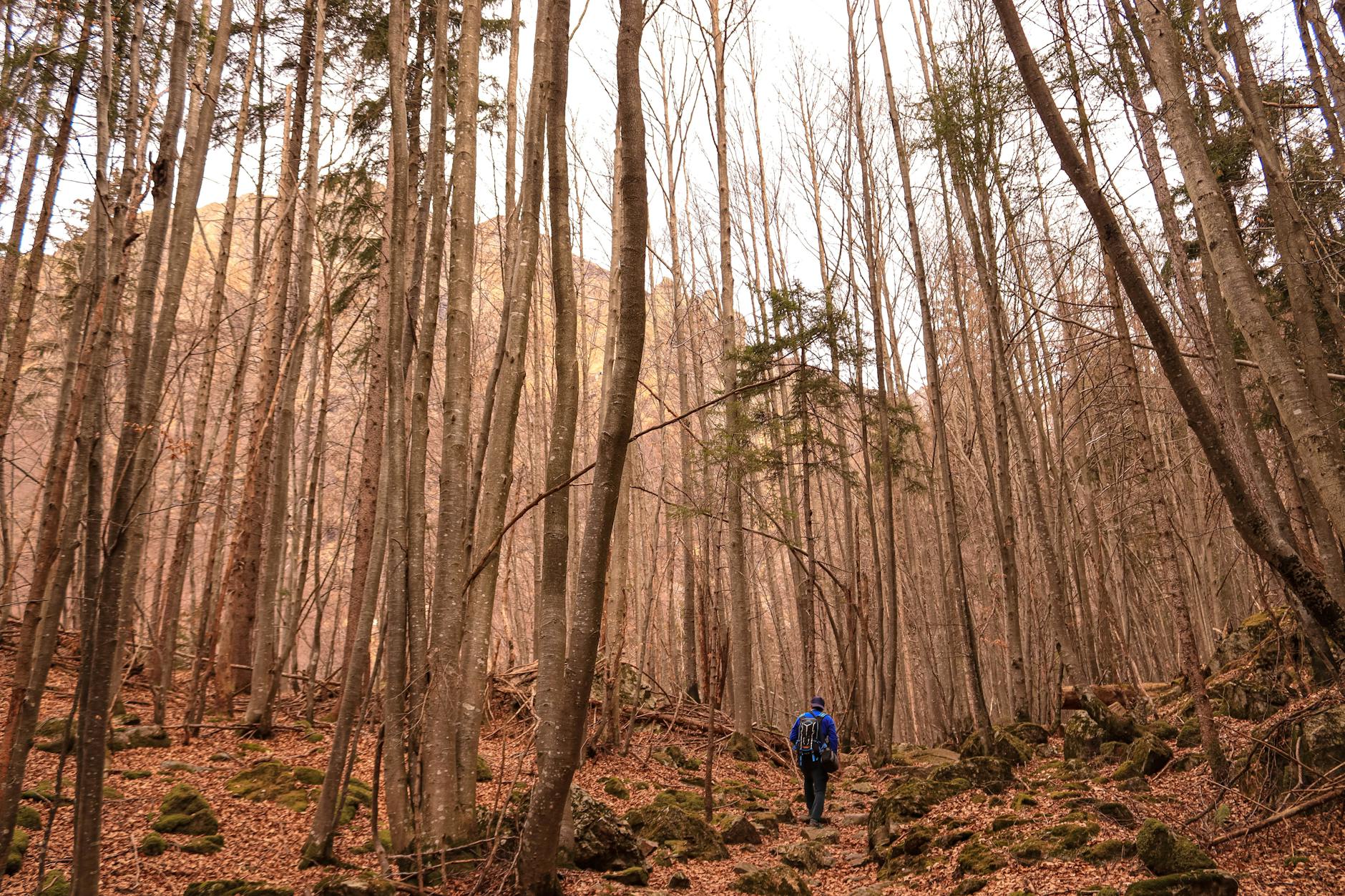
Vancouver’s trail network splits into two worlds: low-elevation rainforest walks inside the city and on the North Shore, and alpine routes that climb from sea level to above tree line in a single day. We’ve sorted every trail worth knowing by real-world difficulty, with honest elevation gain and distance so you can match your fitness, footwear, and weather window to the right outing. Note that summer alpine trails (roughly mid-June through early October) are completely different objectives in spring snow or late-season ice — always check recent trip reports and BC’s Adventuresmart guidance before setting out.
Easy — Paved, Stroller-Friendly, or Very Short
Perfect for first days, families, visitors with mobility considerations, or anyone fresh off a long flight. All are reachable by transit or a 15-minute drive from downtown.
- Stanley Park Seawall (10 km loop): Paved, flat, with separated pedestrian and cycling lanes. Allow 2.5–3 hours walking; much faster on a bike. Endless viewpoints including Siwash Rock, Prospect Point, and the Brockton Point lighthouse.
- Lighthouse Park (West Vancouver): 75 hectares of old-growth Douglas fir and the Point Atkinson Lighthouse. A 2-km loop puts you at one of the most dramatic ocean-cliff viewpoints in the region. Mostly flat with a few staircases.
- Rice Lake Loop (Lynn Headwaters): 3 km flat, gravel, easy for kids and strollers. Gorgeous in fall when the maples turn. Free parking at the Lynn Headwaters lot.
- Whytecliff Park (West Vancouver): Short clifftop trails around a small peninsula. Tidepools, heron sightings, and a pebble beach make it one of the best easy family outings in the region.
- Pacific Spirit Park (UBC Endowment Lands): Flat, well-marked forest trails on the university peninsula. 73 km of interconnecting paths — pick any short loop from the Camosun or 16th Ave trailheads.
Moderate — 2 to 4 Hours, Some Climbing
Expect 200–600 m of elevation gain, rooted or rocky sections, and a real need for proper footwear. Carry water, a snack, and a light shell — North Shore weather turns fast.
- Lynn Canyon Suspension Bridge & 30-Foot Pool Loop: 2 km, ~150 m gain. Free (unlike its rival Capilano), and the short loop through old-growth fir to the 30-Foot Pool is one of the classic Vancouver walks. Busy on summer weekends — arrive before 10 a.m.
- Lynn Peak (North Vancouver): 5 km return, 850 m elevation gain. Unrelenting uphill through rainforest to a viewpoint over the inlet. Locals use it as a training hike. Roots and rocks throughout — hiking shoes mandatory.
- Eagle Bluffs (via Cypress Mountain): 6 km return, ~600 m gain. Alpine terrain, wildflowers in July–August, and one of the best views in the region — you’re looking down at Howe Sound with Vancouver Island on the horizon. Summer only; do not attempt in snow without mountaineering gear.
- Dog Mountain (Mount Seymour): 5 km return, 300 m gain. A relatively gentle alpine walk to a flat lookout with panoramic views of downtown and the Strait. Summer only — winter becomes a snowshoe route.
- Quarry Rock (Deep Cove): Status check before you go. This classic short hike has seen seasonal closures for restoration work; confirm with the District of North Vancouver before making it your plan. Whether open or not, Deep Cove itself is worth the trip.
- Jug Island Beach (Belcarra Regional Park): 5.5 km return, rolling terrain. A quieter alternative with an isolated pebble beach at the end.
Hard — Full-Day Alpine Objectives
Expect 800+ m of gain, 4–7 hours moving time, and real exposure to weather. Don’t attempt without decent cardio, broken-in hiking shoes or boots, layers, at least 2 L of water, and a headlamp in case you’re slower than you think.
- BCMC Trail (Grouse Mountain): 2.9 km, 800 m gain. A near-vertical staircase up the face of Grouse. Takes most people 90 minutes to 2.5 hours. Similar in difficulty to the famous Grouse Grind, which opens seasonally (typically late spring through fall) — always check the Grouse Mountain website for current Grind status before you drive out. Use the Grouse Skyride gondola to ride down ($20, 2026 pricing).
- St. Mark’s Summit (Howe Sound Crest Trail): 11 km return, 460 m gain but deceptively tiring. The payoff is a cliff-edge view straight down Howe Sound. Summer only.
- Stawamus Chief (Squamish, ~1 hour drive north): A granite dome with three summits. First Peak is 6 km return and 600 m gain; Second and Third Peaks add distance. Exposed scrambling with chains and ladders — not for anyone afraid of heights.
- Garibaldi Lake (near Whistler, ~1h45m drive): 18 km return, 820 m gain. Turquoise glacial lake framed by volcanic peaks. Long day but relatively gentle grade — a BC bucket-list hike.
- Joffre Lakes (Pemberton, ~3h drive): 10 km return, 400 m gain to three stacked turquoise lakes. Important: Joffre Lakes sits on the unceded territories of the Lílw̓at and N’Quatqua Nations and has scheduled seasonal closures to support Indigenous stewardship and harvesting. Always verify dates on the BC Parks website before going, and respect closures absolutely.
Expert — Long Days, Route-Finding, Real Consequences
These require mountain experience, navigation skills, and willingness to turn around. People get hurt or lost here every year.
- Crown Mountain (North Vancouver): 10 km return, 1,000+ m gain, with a sketchy final scramble. Accessed via the Grouse Skyride.
- Black Tusk (Garibaldi Provincial Park): 29 km return, 1,740 m gain. Iconic volcanic plug above Garibaldi Lake. The final chimney is loose rock and genuinely dangerous — many hikers stop at the saddle.
- Mount Harvey (Lions Bay): 10 km return, 1,350 m gain. A steep climb to an exposed summit with knife-edge views of Howe Sound.
- Hanes Valley (North Vancouver): 17 km one-way, technical scree, ends at the top of Grouse Mountain. Often cited as the hardest single-day hike on the North Shore.
Vancouver’s Beaches — Nine Ways to Meet the Pacific
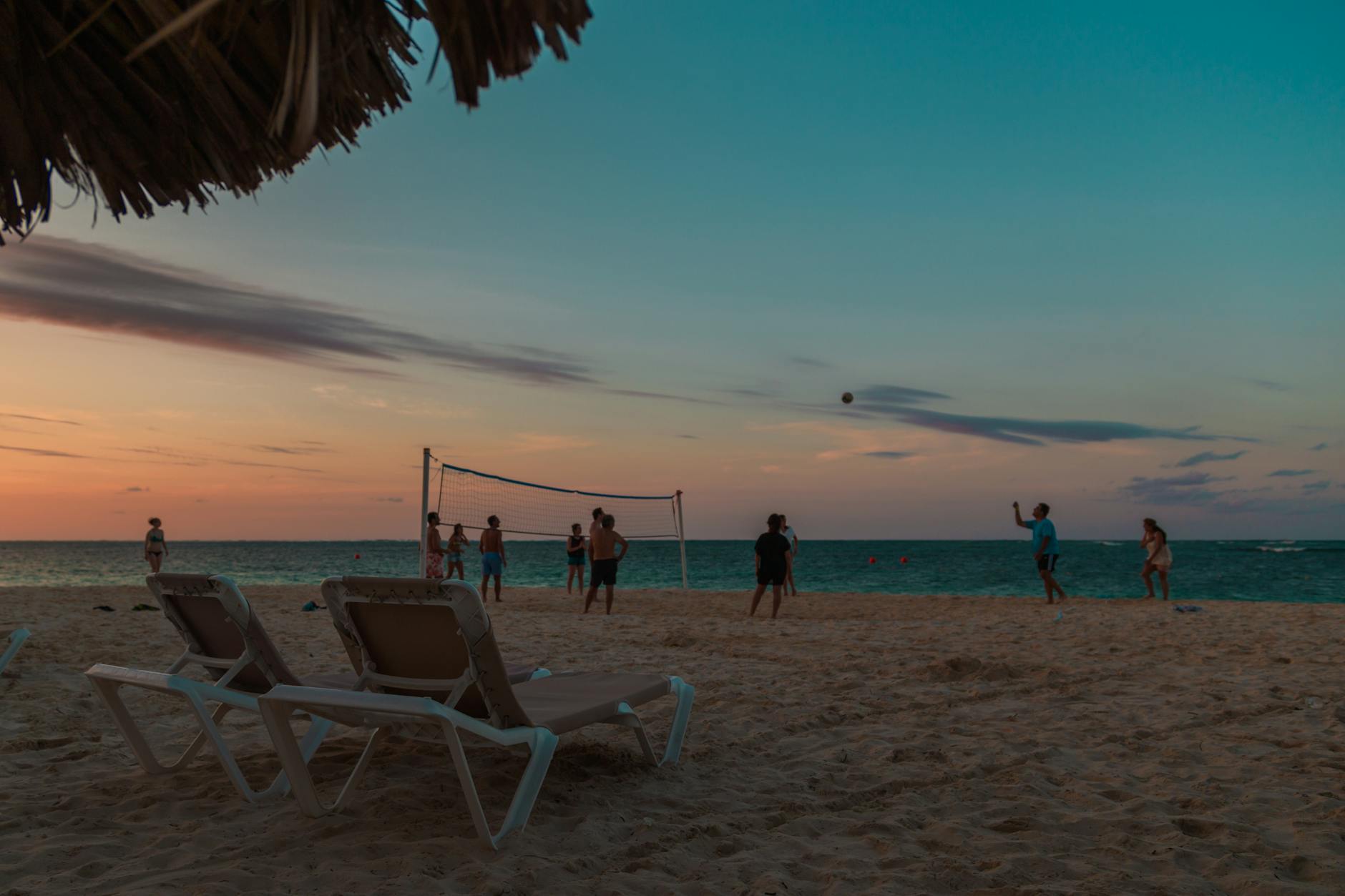
Vancouver has more accessible urban beaches than any other major Canadian city. The water is cold year-round — typical summer temperatures hover around 17–19°C — but on warm August days the beaches absolutely fill up, with barbecues, beach volleyball, paddleboards, and sunset crowds. Lifeguards are posted at most major beaches from late May through Labour Day.
- Kitsilano Beach (Kits Beach): The social heart of Vancouver summer. Volleyball nets, a heated outdoor saltwater pool (137 m — one of the longest in Canada), food stands, and a long sandy stretch facing downtown. Arrive before 11 a.m. on sunny weekends.
- English Bay: Downtown’s beach, right at the end of Denman Street. Seawall access, the iconic Inukshuk, Celebration of Light fireworks in summer, and the polar bear swim on New Year’s Day.
- Second Beach (Stanley Park): Family-friendly with a heated outdoor pool, playground, and the best casual swimming for kids.
- Third Beach (Stanley Park): Quieter, west-facing, and arguably Vancouver’s best sunset spot. Log beach fires are allowed in designated rings on summer evenings.
- Spanish Banks (Point Grey): A massive tidal flat — at low tide you can walk 200 m out into Burrard Inlet. Great for kite-flying and golden hour.
- Jericho Beach: Next to Spanish Banks with a sailing centre, tennis courts, and calmer waters ideal for beginner paddleboarders.
- Locarno Beach: Between Jericho and Spanish Banks; the quietest of the Point Grey trio.
- Wreck Beach (UBC): Canada’s largest clothing-optional beach. 500+ wooden steps down a forested cliff — steep return, no glass, no dogs. Vendors sell drinks and food on busy summer days.
- Whytecliff Park Beach (West Vancouver): A small pebble beach under forested cliffs. Popular with scuba divers — the cove is a protected marine reserve with surprising visibility.
Paddling — Sea Kayaking, SUP, and Canoes
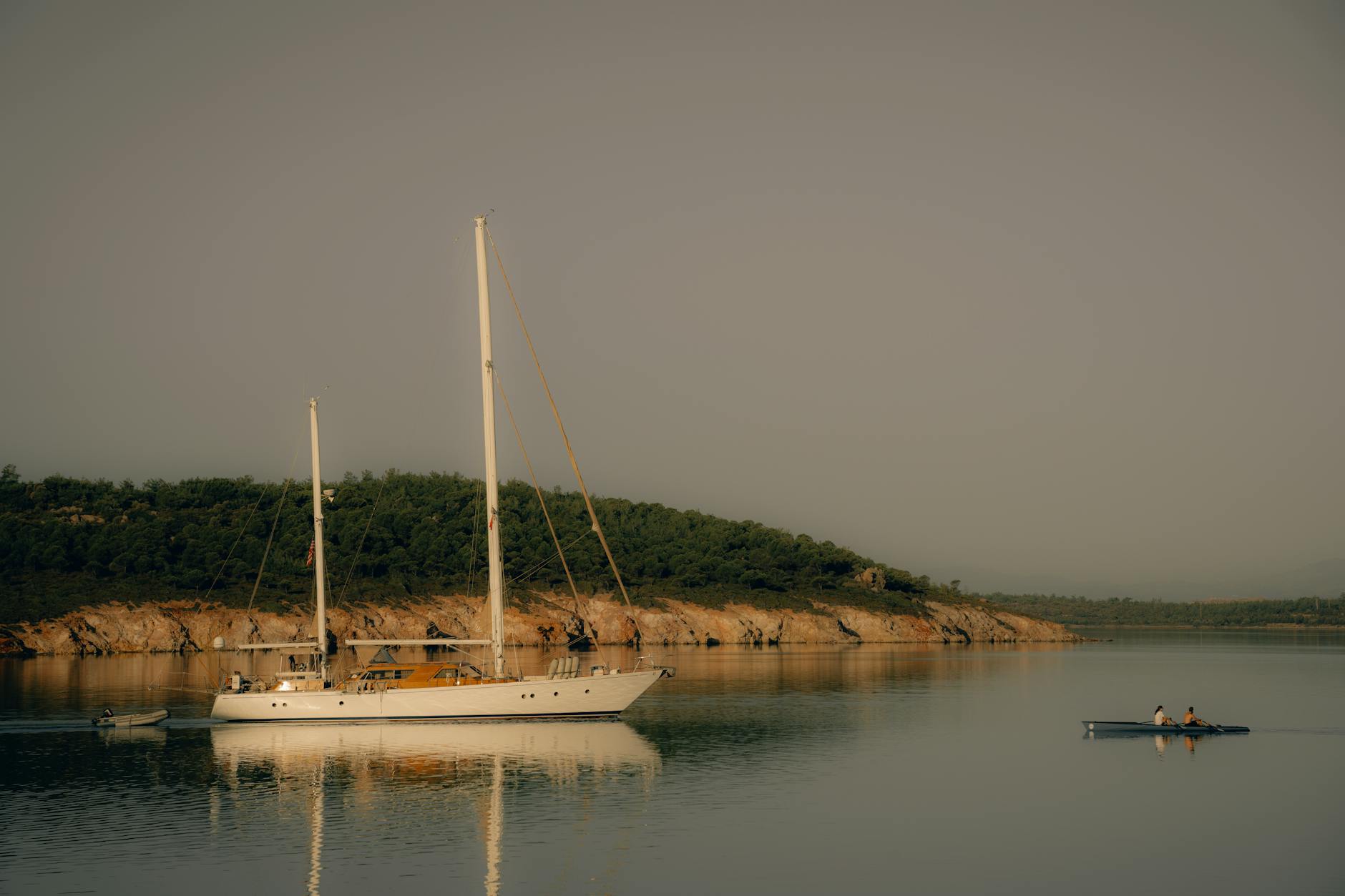
Flat, protected water is everywhere in Vancouver. Burrard Inlet, False Creek, English Bay, Indian Arm, and Deep Cove all offer paddling that would be a regional highlight anywhere else in North America. Wetsuits aren’t required in summer, but always check the wind forecast and be honest about your skill level before going out.
- Deep Cove Kayak (North Vancouver): The most popular outfitter on the coast. Kayak rentals run roughly $48 for 2 hours in 2026, with SUPs around the same range and guided tours available from mid-May through September. Great for beginners; Indian Arm opens up into wild fjord scenery within 30 minutes of paddling.
- Ecomarine Paddlesport Centres (Jericho Beach & Granville Island): Rentals and lessons for kayak, SUP, and outrigger canoe. Jericho’s protected bay is one of the best beginner SUP environments in the city.
- Bowen Island Sea Kayaking: Based in Snug Cove after a 20-minute ferry ride from Horseshoe Bay. Open-water paddling with seal colonies and the chance of bald eagles overhead.
- False Creek: Paddle past Science World, Granville Island, and Olympic Village for a uniquely urban experience. Watch for AquaBus traffic and give ferries a wide berth.
- Indian Arm: A 30-km fjord reaching deep into the Coast Mountains. Multi-day paddlers can camp at Twin Islands or Bishop Creek. Permits and planning required.
Safety note: BC’s coastal water is cold even in August. Always wear a PFD, tell someone your plan, and stay close to shore if you’re new. Fog rolls in fast, especially in the morning and in September.
Cycling — Vancouver on Two Wheels
Vancouver is one of the best big-city cycling cities in North America, with a growing network of protected lanes, an extensive greenway system, and arguably the most famous urban seaside path on the continent. Almost everything here is flat; the biggest climbs are crossing the bridges between downtown and Kitsilano or up Main Street toward Mount Pleasant.
- Stanley Park Seawall (10 km): Separated bike lane, one-way counterclockwise. Rent a bike at Denman & Georgia; the ride takes about an hour at a leisurely pace, longer with stops.
- Seaside Greenway (28 km continuous): The Stanley Park Seawall plus the path along English Bay, False Creek, Kits Point, Jericho, and Spanish Banks — a seamless 28 km of protected waterfront riding. One of the great urban rides anywhere.
- False Creek Loop (10 km): A shorter option that circles the inner harbour past Science World, Granville Island, Olympic Village, and Yaletown. Perfect for a 60-minute evening spin.
- Arbutus Greenway (9 km): A former rail corridor now converted to a paved pedestrian-and-cycle path running north–south from False Creek to the Fraser River.
- Central Valley Greenway (24 km): Longer urban ride connecting Vancouver to Burnaby and New Westminster.
- Pacific Spirit Park (UBC): Rolling gravel forest trails through old Douglas fir — the closest thing to mountain biking inside city limits.
- North Shore (Mount Fromme, Seymour, Cypress): World-famous technical mountain biking. Book a guided day with Endless Biking or Bicycle Sports Pacific if you’re new — the trails are steep and rooted.
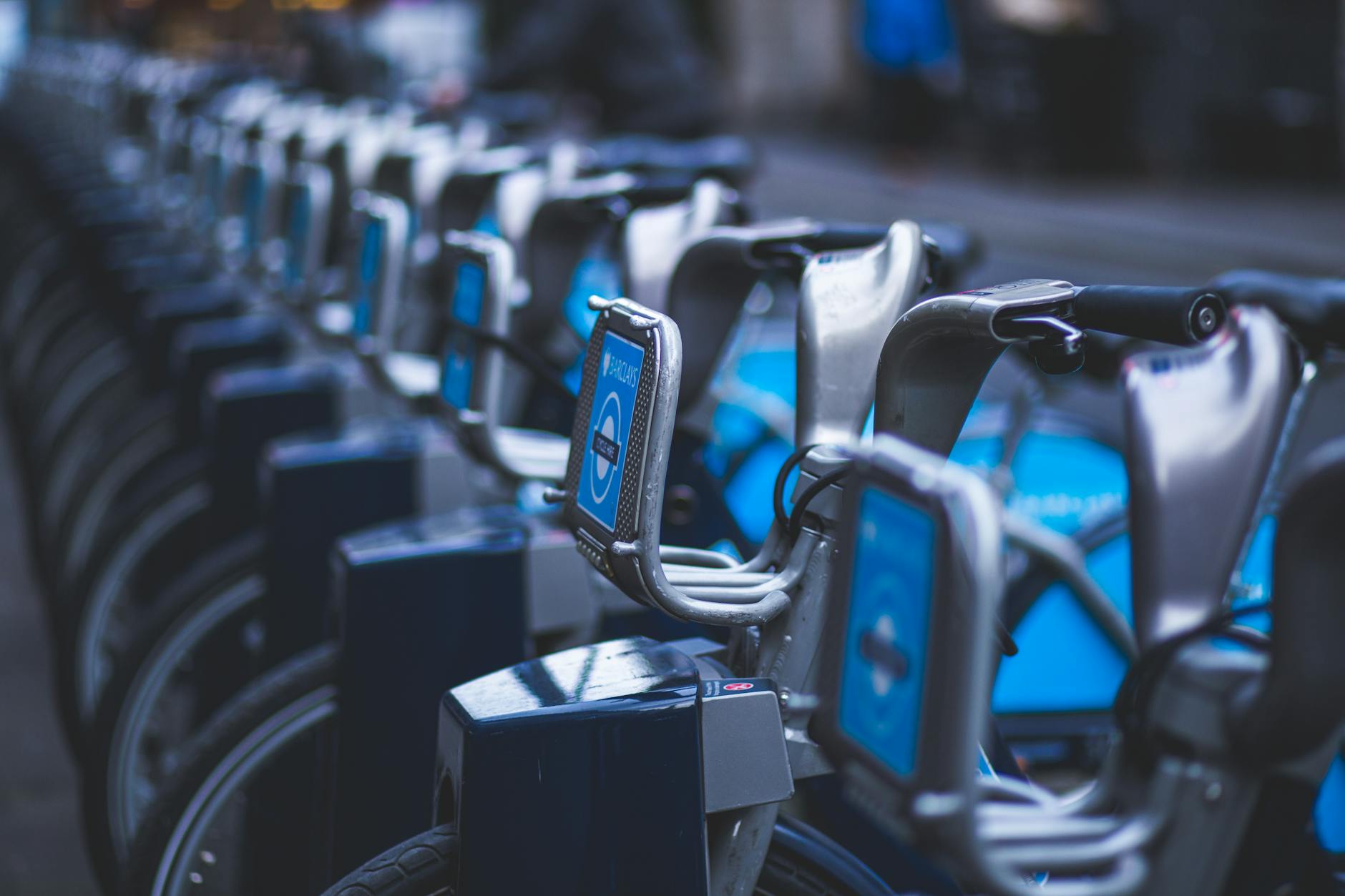
Bike rentals and share: Downtown shops rent everything from cruisers to road bikes and e-bikes. Mobi by Rogers is Vancouver’s public bike share with about 250 stations and a mix of classic and e-bikes; a 24-hour day pass runs around $15 in 2026 with per-trip caps, and monthly passes are cheaper for longer stays. Helmets are required by law in BC.
Skiing and Snowboarding — Three Mountains Inside the City
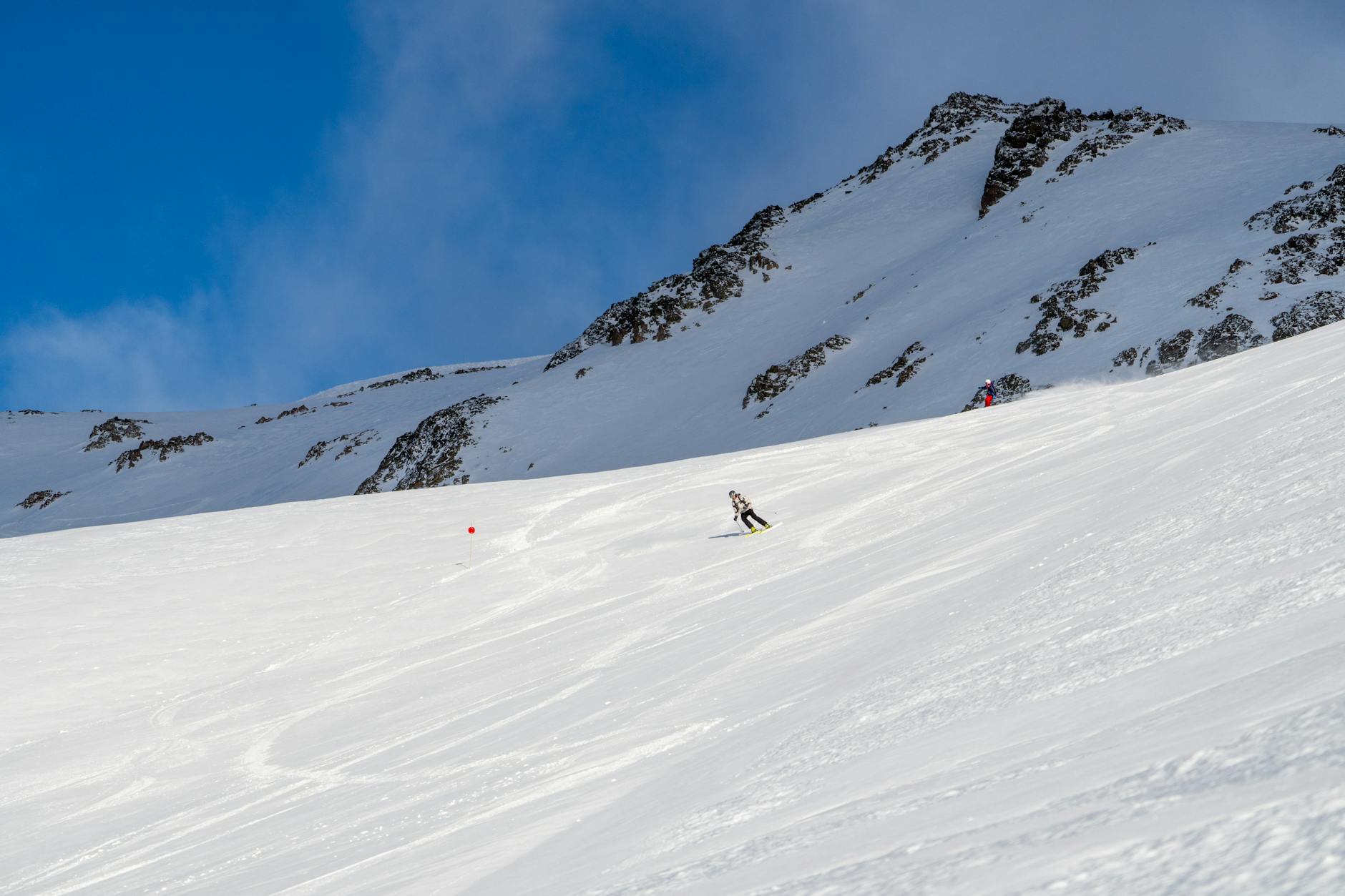
Vancouver is the only major metropolitan area in North America where you can ski on a lift-served mountain while still seeing the downtown skyline. Three mountains — Grouse Mountain, Cypress Mountain, and Mount Seymour — all run night skiing, beginner terrain, and varying amounts of advanced runs. Day lift tickets in the 2025–2026 season ran roughly $80–110 CAD; 2026–2027 pricing will be similar. All three rent gear, offer lessons, and are accessible by shuttle or transit+taxi.
- Grouse Mountain: Most accessible — the Grouse Skyride gondola runs from the base lot at the end of Capilano Road. Night skiing, snowshoeing, ice skating, and the Grouse Grind trail (summer) all in one spot.
- Cypress Mountain: Largest vertical of the three, freestyle park, Nordic cross-country venue (home of the 2010 Olympic biathlon), and backcountry access to Hollyburn Mountain.
- Mount Seymour: Family-oriented, affordable lift tickets, the most authentic “local mountain” feel, with excellent intermediate terrain and the iconic First Pump Peak snowshoe.
For bigger mountain days, Whistler Blackcomb is a 2-hour drive or shuttle ride north — see our Vancouver Day Trips guide for Sea to Sky logistics.
Whale Watching and Marine Wildlife
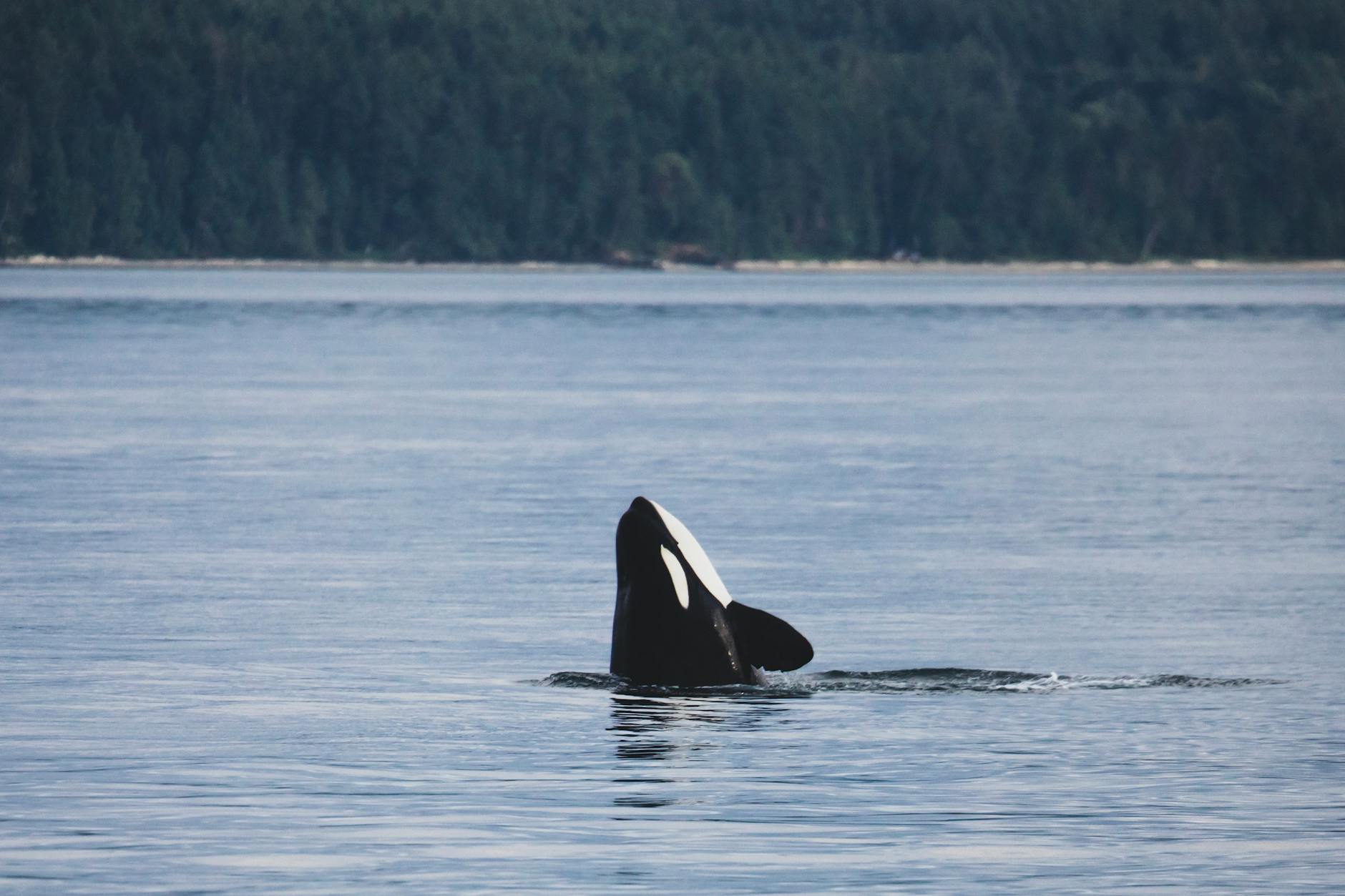
The Salish Sea hosts three ecotypes of orcas (resident, transient, and offshore), plus humpback whales, gray whales, Pacific white-sided dolphins, harbour seals, Steller and California sea lions, bald eagles, and occasional minke whales. Peak season is May through October; humpback numbers have been climbing steadily as the regional population recovers.
Vancouver-based operators run day trips from Coal Harbour and Granville Island. Expect roughly $155–185 CAD per adult for a half-day tour in 2026, with covered or open-air vessel options and trip lengths ranging from 3 to 5 hours. Operators follow strict Be Whale Wise guidelines — 200 metres from orcas, 100 metres from humpbacks. Most operators guarantee a sighting or a free return ticket on a future trip; exact terms vary.
If you’d rather sit lower to the water, Telegraph Cove and Tofino are excellent alternatives for multi-day whale-watching trips (see our Day Trips pillar). In Vancouver itself, seals, sea lions, and bald eagles are reliably spotted from any waterfront pier.
Running Routes
Vancouver’s running scene is prolific — group runs leave from Lululemon stores nightly, the BMO Vancouver Marathon in May is a bucket-list race, and the Sun Run in April is one of the largest 10K road races in North America with over 40,000 registrants most years.
- Stanley Park Seawall: 10 km loop, flat, separated from traffic. The signature Vancouver run.
- Seaside Greenway (28 km): Out-and-back or one-way with transit return. A great marathon-prep route.
- False Creek Loop (10 km): Flat, scenic, perfect tempo run.
- Pacific Spirit Park: Soft forest trails for easier on knees and ankles.
- Lighthouse Park / Whytecliff: Trail-running options with hills and ocean views.
- North Shore Trails: Mount Fromme, Seymour, and Lynn Headwaters offer technical trail-running. Start early and carry water.
Stanley Park and the Great Urban Parks
Stanley Park (405 hectares) is the anchor: a forested peninsula with the Seawall, Lost Lagoon, Beaver Lake, Prospect Point, Siwash Rock, and the Brockton Point totems. Named one of the best parks on the planet by multiple global outlets, it remains free, open 24 hours, and managed by the Vancouver Park Board. Pay parking applies in many lots.
Beyond Stanley, the city has a deep bench of parks and gardens that reward a half-day visit each:
- Queen Elizabeth Park (Cambie): The highest point in Vancouver, with formal gardens, quarry gardens, the Bloedel Conservatory tropical dome, and panoramic views of downtown.
- VanDusen Botanical Garden: 22 hectares of curated plant collections, an Elizabethan hedge maze, and the most popular Christmas light walk in the city (Festival of Lights runs annually).
- Dr. Sun Yat-Sen Classical Chinese Garden (Chinatown): The first authentic Ming Dynasty-style scholar’s garden built outside China. Entry is ticketed; the adjacent public park is free.
- UBC Botanical Garden & Greenheart TreeWalk: Suspension-bridge canopy walk through a West Coast rainforest on the UBC campus.
- Nitobe Memorial Garden (UBC): One of the most authentic Japanese gardens outside Japan.
- Pacific Spirit Regional Park: 763 hectares of forest around UBC.
- Lynn Canyon Park (North Vancouver): Free suspension bridge (unlike Capilano), old-growth forest, swimming holes.
- Capilano Suspension Bridge Park (North Vancouver): The paid-admission alternative. Cliff Walk, Treetops Adventure, and the signature 137-metre suspension bridge. Adult admission is roughly $69.95 in 2026.
Wildlife and Safety in the Outdoors
You don’t need to be afraid of Vancouver’s wilderness, but you do need to respect it. The region’s biggest risks aren’t wildlife; they’re weather, terrain, and people underestimating both.
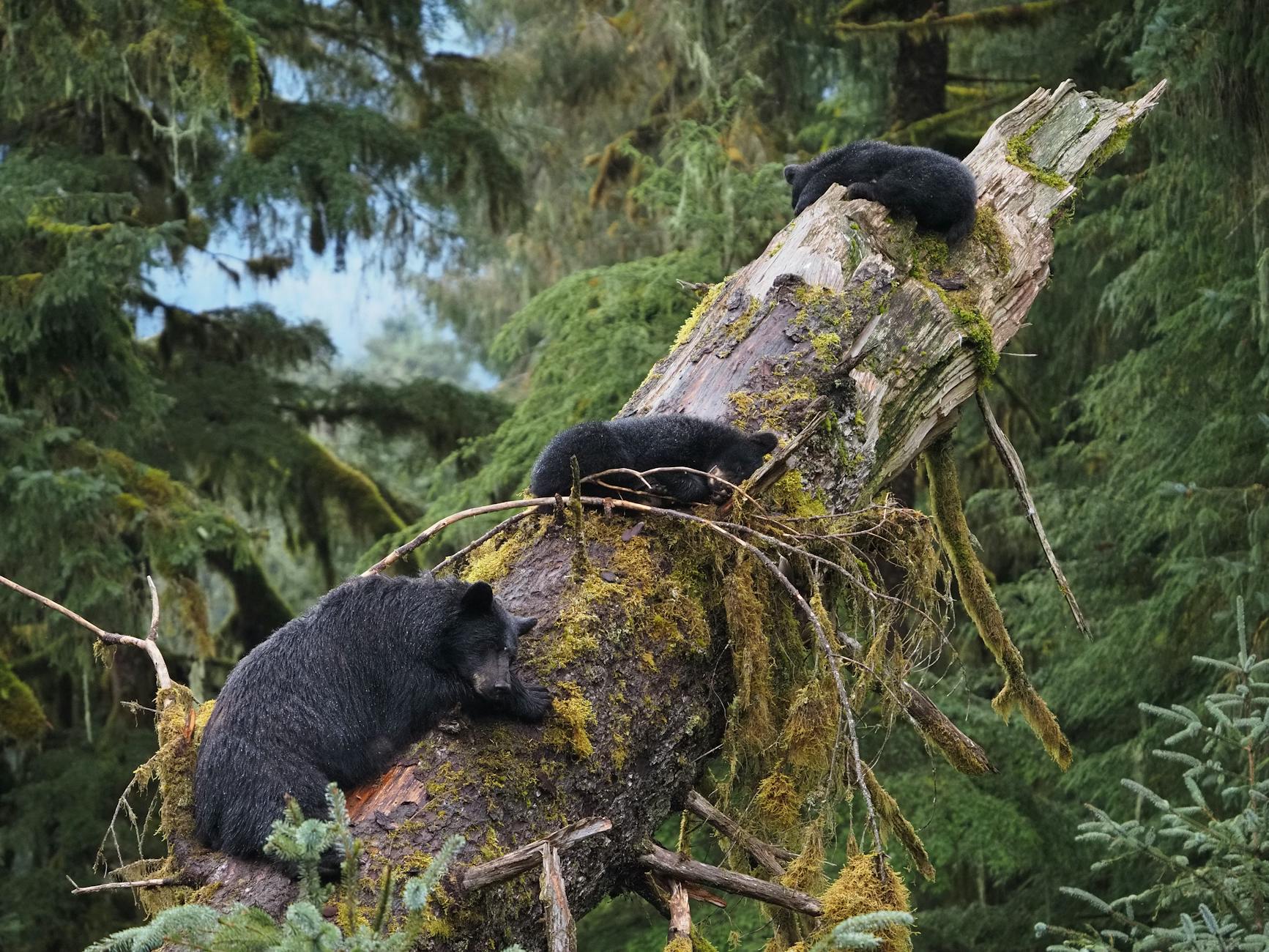
Black bears are common on the North Shore and in Whistler. They’re generally not aggressive but are extremely food-motivated — never leave food in an unattended day pack, and make noise on blind trail corners. Carry bear spray on longer alpine routes (Counter Assault 225 g or equivalent is the BC standard). Cougars are present but rarely seen; if you encounter one, make yourself look big, do not run, and back away while facing the animal. Children should be kept close on remote trails.
Hypothermia is the real North Shore killer. Summit temperatures can sit at 8–10°C in summer with fog and wind; hikers in cotton t-shirts end up in rescue stats every season. North Shore Rescue publishes the 10 Essentials — navigation, headlamp, sun protection, first aid, knife or multitool, fire-starting, shelter, extra food, extra water, extra clothing — and recommends carrying all of them on any alpine day.
Ocean water is dangerously cold year-round. Do not swim far offshore; if kayaking or paddleboarding, always wear your PFD and stay within 100 m of land unless experienced. Tides at Spanish Banks and Wreck Beach shift fast — check tide tables and don’t get cut off on flats.
Search and Rescue is free in BC, so if you’re in trouble, call 911 and ask for SAR. North Shore Rescue responds to more calls than any other volunteer SAR team in Canada, largely because of how fast the terrain transitions from accessible to serious.
Leave No Trace, Indigenous Land, and Responsible Recreation
Every outdoor activity in this guide takes place on the unceded traditional territories of the xʷməθkʷəy̓əm (Musqueam), Sḵwx̱wú7mesh (Squamish), and səlilwətaɬ (Tsleil-Waututh) Nations. Further afield, Howe Sound and Sea to Sky Country are Sḵwx̱wú7mesh territory; Joffre Lakes sits on Líl̓wat and N’Quatqua land; Vancouver Island is home to many Nations including the Lekwungen, Songhees, Esquimalt, Pacheedaht, and Nuu-chah-nulth.
In practice, that means a few things:
- Respect closures. Joffre Lakes, for example, has scheduled seasonal closures to allow Líl̓wat and N’Quatqua Nations to harvest and steward the land. Check the BC Parks website before every trip.
- Pack it out. Including orange peels, apple cores, and pet waste. BC’s Leave No Trace Canada principles apply to every trail.
- Consider an Indigenous-led experience. Vancouver has outstanding Indigenous-led outdoor guides. Takaya Tours (Tsleil-Waututh) runs ocean-going canoe paddles in Indian Arm for roughly $95–125 per adult in 2026. Talaysay Tours (Sḵwx̱wú7mesh / shíshálh) offers cultural walking tours from Stanley Park for approximately $75 per adult in 2026. Both deepen what Vancouver’s outdoors actually is.
- Stay on the trail. Off-trail travel compounds damage and can disturb culturally important sites.
Winter Outdoor Activities
Vancouver’s outdoor season doesn’t end in November. Winter in the city stays mostly green and walkable; the mountains pile up snow reliably from December through March.
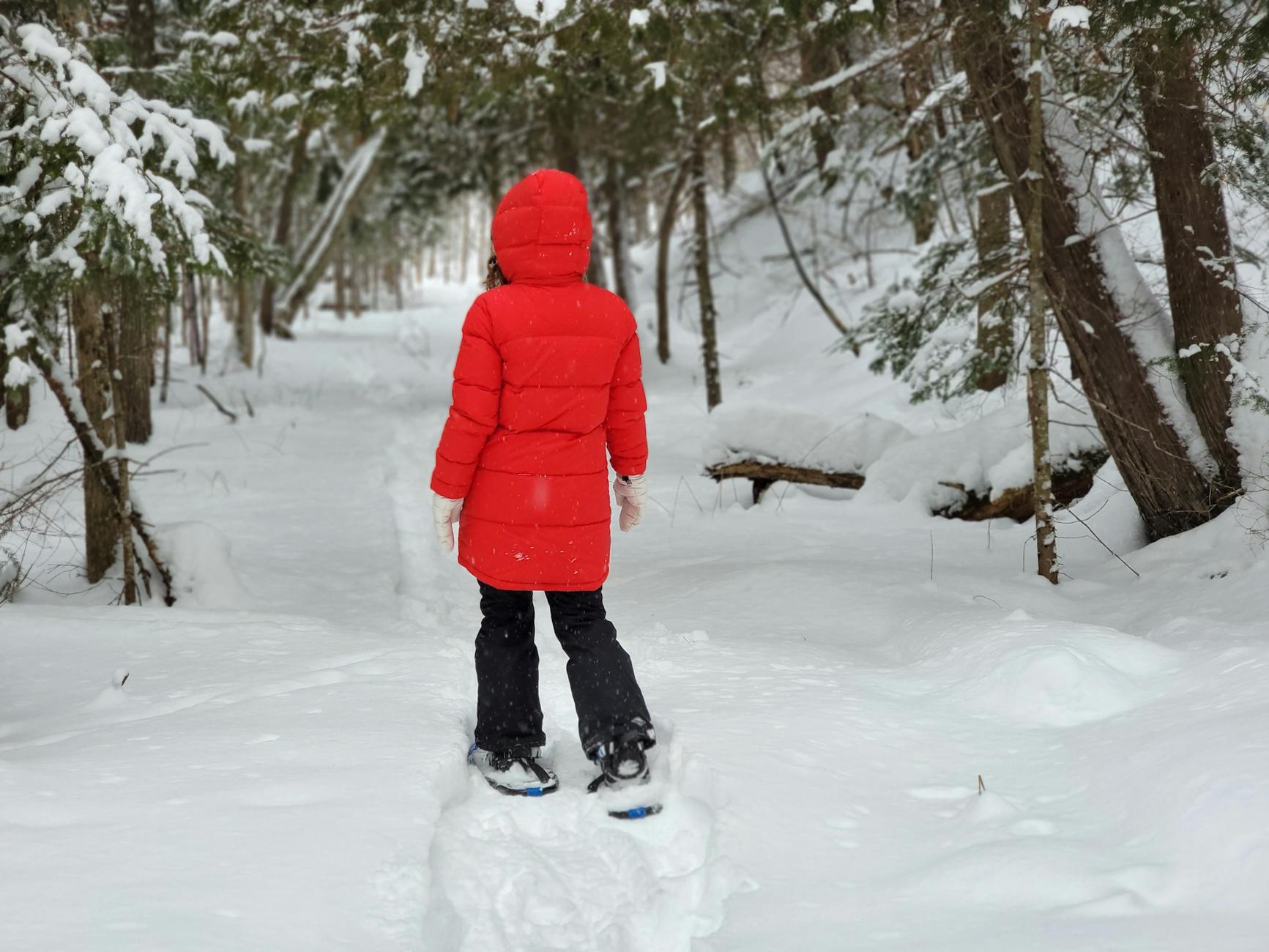
- Snowshoeing: Cypress, Seymour, and Grouse all rent snowshoes and mark dedicated trails. The Dog Mountain (Seymour) and First Pump Peak snowshoe routes are accessible beginner-friendly outings with stunning summit views.
- Cross-country skiing: Cypress is the local Nordic venue with groomed trails for classic and skate; Whistler Olympic Park is the destination venue 2 hours north.
- Ice skating: Robson Square has a seasonal free outdoor rink (typically open December through February). Grouse Mountain also runs an outdoor rink at the summit.
- Winter seawall walks: The Seawall stays open and snow-free most of the year. Crisp, quiet, and the mountains are at their most dramatic after a fresh dusting.
- Polar Bear Swim (January 1): Vancouver’s New Year’s Day English Bay plunge has run annually since 1920 — one of the oldest such events in the world. Thousands participate in the 10°C ocean.
Gear and Rental Shops
You don’t need to fly in with every piece of equipment. Vancouver has world-class outdoor retailers and rental options.
- MEC (Mountain Equipment Company): The Canadian REI equivalent. Flagship store on West Broadway near Main Street — rentals for tents, sleeping bags, backpacks, stoves, and basic gear; members get discounts.
- Arc’teryx Brand Store (downtown and Park Royal): The Vancouver-founded brand’s home turf. Gear on display, expert staff, local trail advice.
- Comor Sports (Kitsilano): Skis, snowboards, bikes, wetsuits, and SUPs — the Swiss Army knife of local rental shops.
- Cypress Outdoor School / Seymour / Grouse rentals: All three mountains run on-site ski, snowboard, and snowshoe rentals.
- Deep Cove Kayak / Ecomarine: Paddlesport rentals, wetsuit rentals, PFD and paddle included.
- Reckless Bike Stores / Spokes Bicycle Rentals: Day and multi-day rentals starting from roughly $15/hour in 2026 for basic cruisers; road and e-bikes run higher.
Getting to Trailheads Without a Car
Many of Vancouver’s best outdoor experiences are reachable by transit. A few options:
- Lynn Canyon / Lynn Headwaters: SeaBus from Waterfront to Lonsdale Quay, then the 228 bus to Peters Road (Lynn Canyon) or the 229 to Dempsey Road (close to Lynn Headwaters).
- Grouse Mountain: SeaBus to Lonsdale Quay, then the 236 bus direct to the Grouse gondola base.
- Deep Cove: SeaBus to Lonsdale Quay, then the 212 or 211 bus to the cove.
- Stanley Park: Walking distance from downtown; seasonal free shuttle loops the interior in summer.
- UBC / Pacific Spirit Park: Frequent buses (4, 14, R4, 44, 99 B-Line) from downtown or Broadway.
- Cypress / Seymour Mountains: Winter shuttles from downtown run through the ski season; the Cypress Mountain Shuttle runs around $30 round-trip in 2026.
- Whistler: See our Day Trips and Transportation pillars for shuttle options (Epic Mountain Express, YVR Skylynx, etc.).
Outdoor Events and Festivals
- Vancouver Sun Run (April): 10K road race with 40,000+ runners. One of the largest timed 10Ks in North America.
- BMO Vancouver Marathon (May): Widely rated one of the world’s most scenic marathon courses.
- Honda Celebration of Light (late July / early August): International fireworks competition over English Bay — three nights, three countries. Waterfront parks fill hours before the show.
- Car Free Day (June): Main Street, Commercial Drive, West End, and Denman close to cars for block-party style celebrations.
- Polar Bear Swim (January 1): English Bay plunge, running annually since 1920.
- Bard on the Beach (June–September): Shakespeare in Vanier Park tents, arguably the best outdoor theatre experience in Canada.
- BC Bike Race (July): Seven-day mountain bike stage race starting in the region — one of the most respected MTB races in the world.
- FIFA World Cup 26 (June–July 2026): Vancouver is a host city for seven matches at BC Place. Expect major public fan events and massive outdoor crowd energy across downtown — see our World Cup pillar for full details.
Accessible Outdoor Experiences
Vancouver has made real investment in accessible outdoor experiences, though coverage varies.
- Stanley Park Seawall: Fully paved and flat; wheelchair, walker, and stroller accessible in full.
- Lost Lagoon Nature Trail: Paved loop in Stanley Park.
- Jericho Beach & Spanish Banks: Accessible boardwalks, mobility mats on sand during summer.
- Queen Elizabeth Park: Some steep paths, but the Quarry Gardens and the top-of-park viewpoints have paved access.
- VanDusen Botanical Garden: Mostly paved paths, dedicated accessible parking, gardens designed with accessibility in mind.
- Capilano Suspension Bridge Park: Wheelchair accessible at the entrance plaza and gift shop; the bridge itself and Cliff Walk require assistance.
- Grouse Mountain Skyride: Gondola is wheelchair accessible; summit has paved pathways to key viewpoints.
- BC Mobility Opportunities Society (BCMOS): Runs the TrailRider program — one-wheeled all-terrain chairs operated by trained volunteers for hiking. Free use; book in advance.
Best Outdoor Activities by Month
A quick cheat sheet to match activities to your travel month. Cross-reference with our Best Time to Visit Vancouver pillar for weather details.
- January–February: Skiing/snowboarding, snowshoeing, Polar Bear Swim, winter seawall walks, whale watching for transients.
- March: Cherry blossoms begin (late month), skiing winds down, spring hiking on low-elevation trails.
- April: Cherry blossom peak, Sun Run, lower-elevation hikes in full swing, shoulder-season kayaking.
- May: BMO Marathon, alpine trails starting to open, warmer paddling, first whale-watching peak for orcas and humpbacks returning.
- June: Alpine hiking broadly open (Garibaldi, St. Mark’s, Eagle Bluffs), longest daylight, beach season begins.
- July–August: Peak everything — hiking, paddling, beaches, whale watching, Celebration of Light, FIFA World Cup in 2026.
- September: Still-warm ocean, crowds thin after Labour Day, excellent hiking conditions, trail-running sweet spot.
- October: Fall colours in Lynn Canyon, Pacific Spirit Park, and Queen Elizabeth Park; salmon runs begin in local creeks.
- November–December: Ski season opens, VanDusen Festival of Lights, quiet seawall and city-park walks in rain gear, shoulder kayaking on calm days.
Frequently Asked Questions
Do I need to be in great shape to enjoy Vancouver’s outdoors?
Not at all. The Seawall, all nine beaches, Lighthouse Park, VanDusen, and Queen Elizabeth Park reward visitors at every fitness level. Vancouver is unique in offering world-class accessible outdoor experiences alongside its serious alpine objectives. Start easy; build up if you want to.
What should I do if I see a bear on a Vancouver trail?
Stay calm, do not run, and give the bear space. Speak in a firm, calm voice and slowly back away. Black bears (which is what you’ll encounter in the North Shore and Whistler area) are typically shy and food-motivated, not aggressive. Carry bear spray on alpine trails, never leave food unattended, and make noise on blind corners. Report sightings to the BC Conservation Officer Service at 1-877-952-7277.
Can you hike the North Shore mountains in winter?
Yes, but most alpine trails become snowshoe routes from roughly November through April, and many require proper gear, avalanche awareness, and navigation skills. Stick to marked snowshoe trails at Grouse, Cypress, and Seymour unless you’re trained. The Grouse Grind closes for winter; BCMC Trail officially closes and is not recommended.
Do I need permits for day hikes?
Most day hikes in and around Vancouver do not require permits. Joffre Lakes sometimes requires a free day-use pass during peak season and has seasonal closures for Indigenous stewardship — always check BC Parks for current rules. Garibaldi Lake backcountry camping requires reservations. Pay parking applies at many trailheads.
When is the best time for whale watching in Vancouver?
May through October is peak season. Transient (Bigg’s) killer whales can be spotted year-round, but resident orca sightings are strongest in summer. Humpbacks are increasingly reliable from July through September as the local population rebuilds. Bring layers — vessels are cold even on warm days.
Is it worth skiing the local Vancouver mountains if I’m visiting?
Absolutely, especially for a half-day or night-ski experience. You can finish a downtown lunch and be skiing within 45 minutes. For multi-day, bigger-mountain skiing, head to Whistler — see our Day Trips pillar for shuttle and transportation options.
Can tourists use the Mobi bike share system?
Yes. A 24-hour day pass is around $15 CAD in 2026, giving you unlimited 30-minute trips. Download the Mobi app, buy a pass, scan a bike from any station. Helmets are required by law — Mobi provides one on most bikes or you can carry your own.
What are the most kid-friendly outdoor activities?
The Stanley Park Seawall, Second Beach pool and playground, Science World’s outdoor play area, Lynn Canyon suspension bridge, Granville Island AquaBus rides, VanDusen Elizabethan Maze, and Whytecliff Park tidepools are all excellent. All can be done car-free with transit.
How much should I budget for outdoor activities?
Vancouver’s outdoors are surprisingly affordable. Nearly every beach, park, trail, and seawall is free. Kayak rentals run $48/2 hours, bike rentals from $15/hour, ski day tickets $80–110, and guided whale watching $155–185 per adult in 2026. Indigenous-led tours run roughly $75–125 per adult. A full week of outdoor activities can be done for a few hundred dollars if you mix free and paid experiences.
What should I pack for outdoor activities in Vancouver?
A waterproof shell is the single most important item — the city’s rain is light but persistent, and the mountains can soak you through in minutes. Layers matter more than heavy insulation: a merino or synthetic base layer, a mid layer, and a shell will handle anything from sea-level walks to mountain weather. For hiking, bring trail shoes or light boots, 2 L of water, snacks, a headlamp, and sun protection even in fog. For beaches, a swimsuit, towel, sunscreen, and sandals. Cotton is a bad idea in the mountains — it retains water and becomes dangerous when the temperature drops.
Is it safe to hike or paddle alone in Vancouver?
Experienced outdoors people do it all the time, but always tell someone your plan, carry the 10 Essentials, and have offline maps loaded (Gaia GPS or AllTrails Pro). Don’t rely on cell service — it drops fast on the North Shore. If you’re new to the region, consider joining a group hike or booking a guided outing for your first big day.
How do I book an Indigenous-led outdoor experience?
Talaysay Tours (Sḵwx̱wú7mesh / shíshálh) runs cultural walking tours from Stanley Park and guided nature walks; book online at talaysay.com. Takaya Tours (Tsleil-Waututh) runs ocean-going canoe paddles in Indian Arm; book at takayatours.com. Both are worth planning around — they’re among the most memorable experiences Vancouver offers.
Will outdoor activities be affected by the 2026 FIFA World Cup?
Downtown will be exceptionally busy around match days (June–July 2026), with BC Place matches bringing tens of thousands of visitors. Expect full hotels, busy transit, and packed parks. Outdoor activities outside the downtown core (North Shore hiking, Squamish, Whistler) will see less direct impact, though accommodation prices spike region-wide. Book early and travel to trailheads before 8 a.m. on match days.
Last updated: April 2026. Prices, hours, and trail status change frequently — confirm current details with operators and BC Parks before you go.
Leave a Reply