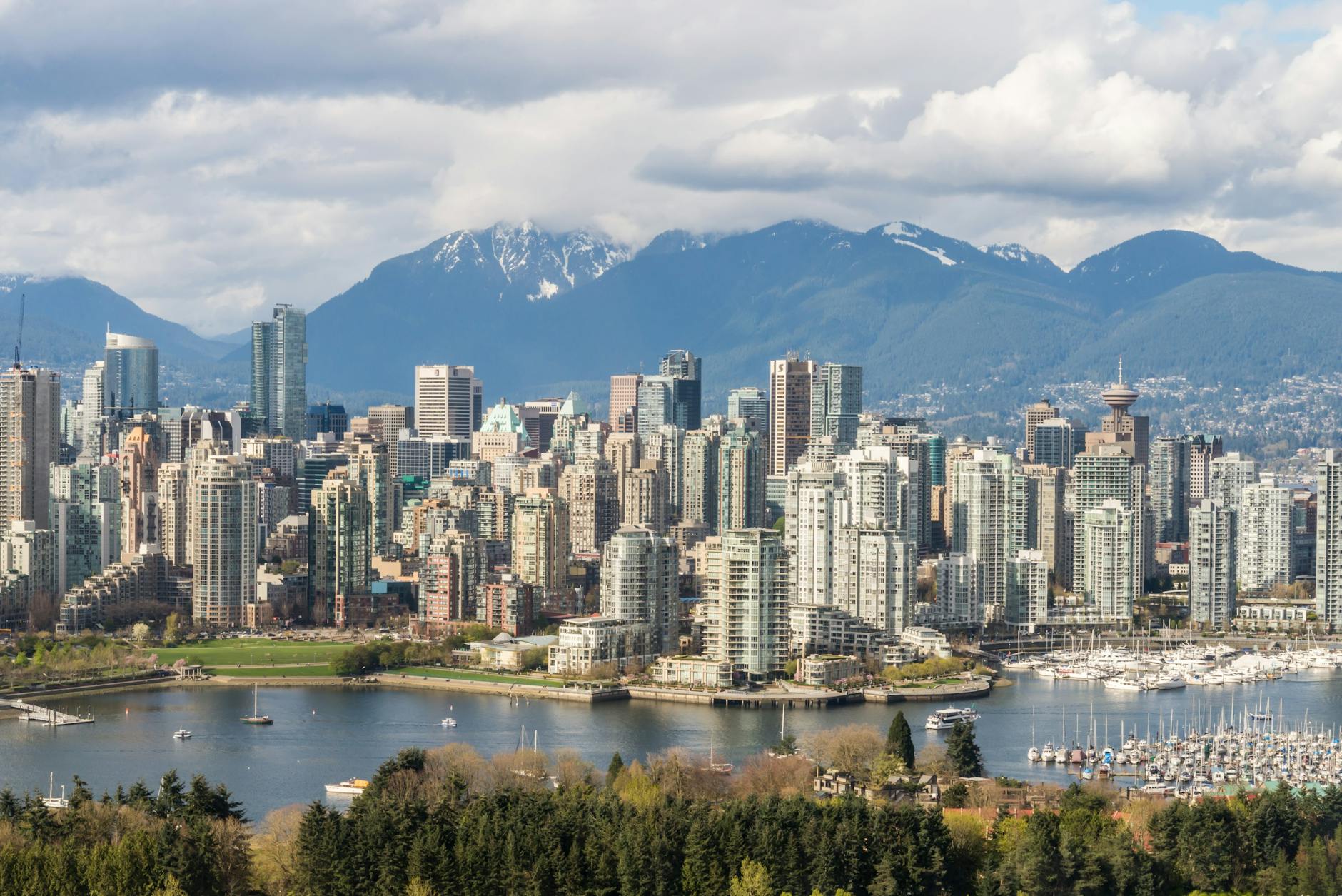
Vancouver in summer (June through August) is the city at peak — long evenings until 9:30 p.m., dry sunshine 4 days out of 5, beaches lifeguarded, patios full, and the cruise ships rolling through Canada Place at 360 ship calls a year. Summer is also peak tourist season — cruise crowds collide with school holidays, hotel prices spike 30–60%, and the seawall fills with weekend visitors. The honest take: summer is Vancouver’s most reliable weather and most crowded city, in equal measure.
This 2026 month-by-month guide breaks Vancouver in summer into June, July, and August with weather averages, what’s happening, festival highlights, and the things to do that work specifically in the summer window. Plus the strategies locals use to enjoy the city without being crushed by tourist density.
Table of Contents
Vancouver in Summer: At a Glance
The 90-day window:
- Months: June, July, August
- Average daytime high: 19 °C (June) to 22 °C (July, August)
- Average rain days: 9 (June), 5 (July), 5 (August)
- Daylight: 16 h (June 21, summer solstice) to 14 h (Aug 31)
- Sunset times: 9:20 p.m. (late June) to 8:00 p.m. (late August)
- Beach water temperature: 15-18 °C (59-64 °F)
- Cruise season: April–October peak (highest density July–August)
- Hotel prices: Peak; 30–60% above shoulder season
Summer is when most international visitors come. For a year-round picture see our best time to visit Vancouver pillar.
Vancouver in June
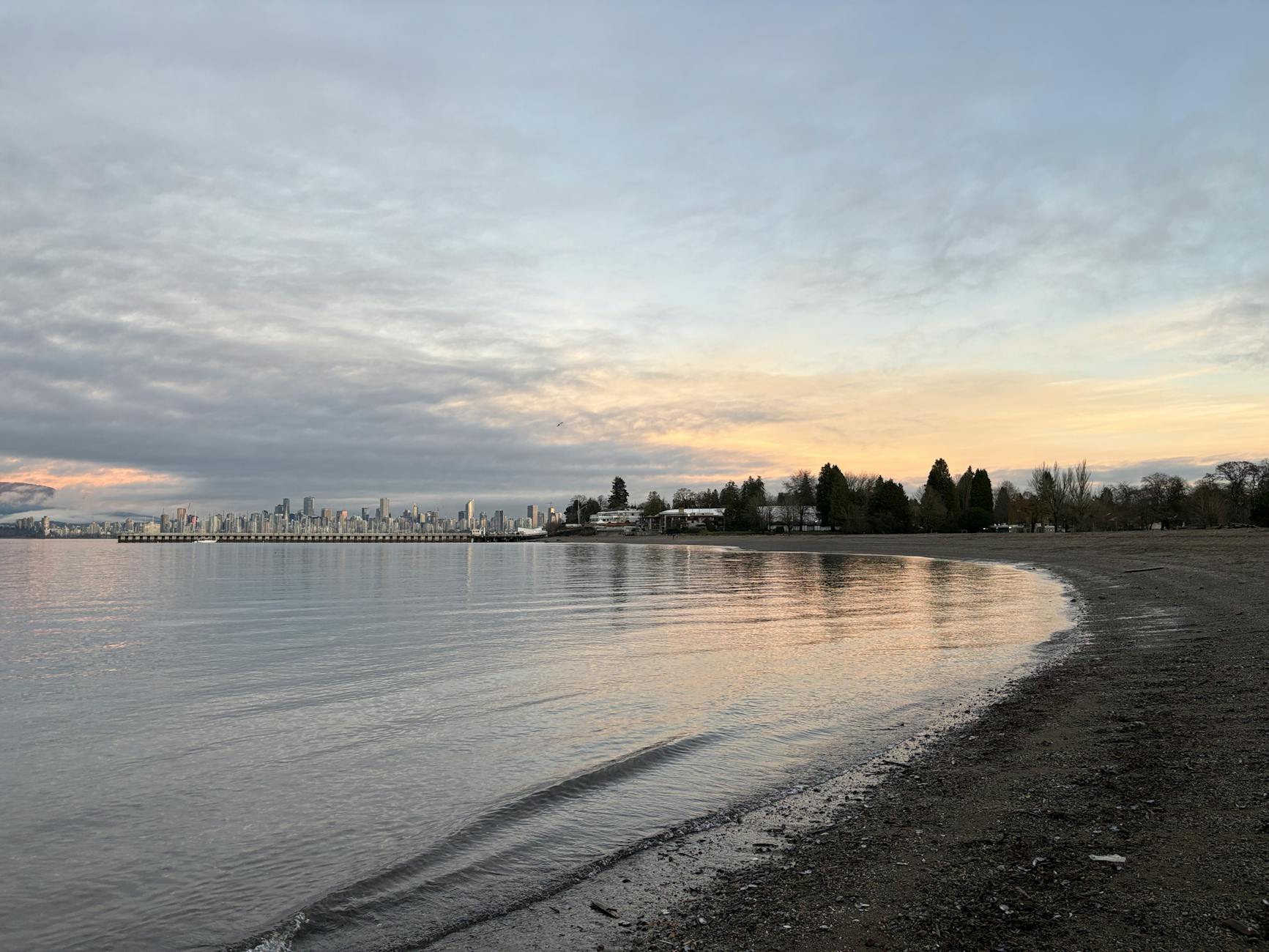
June is the genuine sweet spot of Vancouver summer — dry weather is established, the days are at their longest, and the cruise/tourist crowds haven’t yet hit July peak.
June weather:
- Average high: 19 °C (66 °F)
- Average low: 11 °C (52 °F)
- Rain days: 9
- Daylight: 15 h 45 m to 16 h 0 m (peak at the June 21 solstice)
June highlights:
- National Indigenous Peoples Day (June 21) — Indigenous-led events at Trillium Park, Granville Island, and across the city
- TD Vancouver International Jazz Festival (late June through early July) — 300+ concerts; many free outdoor
- Bard on the Beach Shakespeare Festival opens early June at Vanier Park
- Vancouver Pride lead-up events
- Long-evening daylight enables 9:00 p.m. dinners with sunset
- Beach water still cold (15-16 °C) but lifeguards starting
Best for: Visitors who want full summer weather without August’s peak crowds.
Vancouver in July
July is peak Vancouver summer — and peak crowds. Expect cruise lines to be operating at maximum capacity, hotel rates 50%+ above shoulder, and Stanley Park Seawall at peak weekend congestion.
July weather:
- Average high: 22 °C (72 °F)
- Average low: 14 °C (57 °F)
- Rain days: 5
- Daylight: 16 h 0 m to 15 h 15 m
July highlights:
- Canada Day (July 1) — fireworks at Canada Place; outdoor concerts at Granville Island
- TD Vancouver International Jazz Festival continues through early July
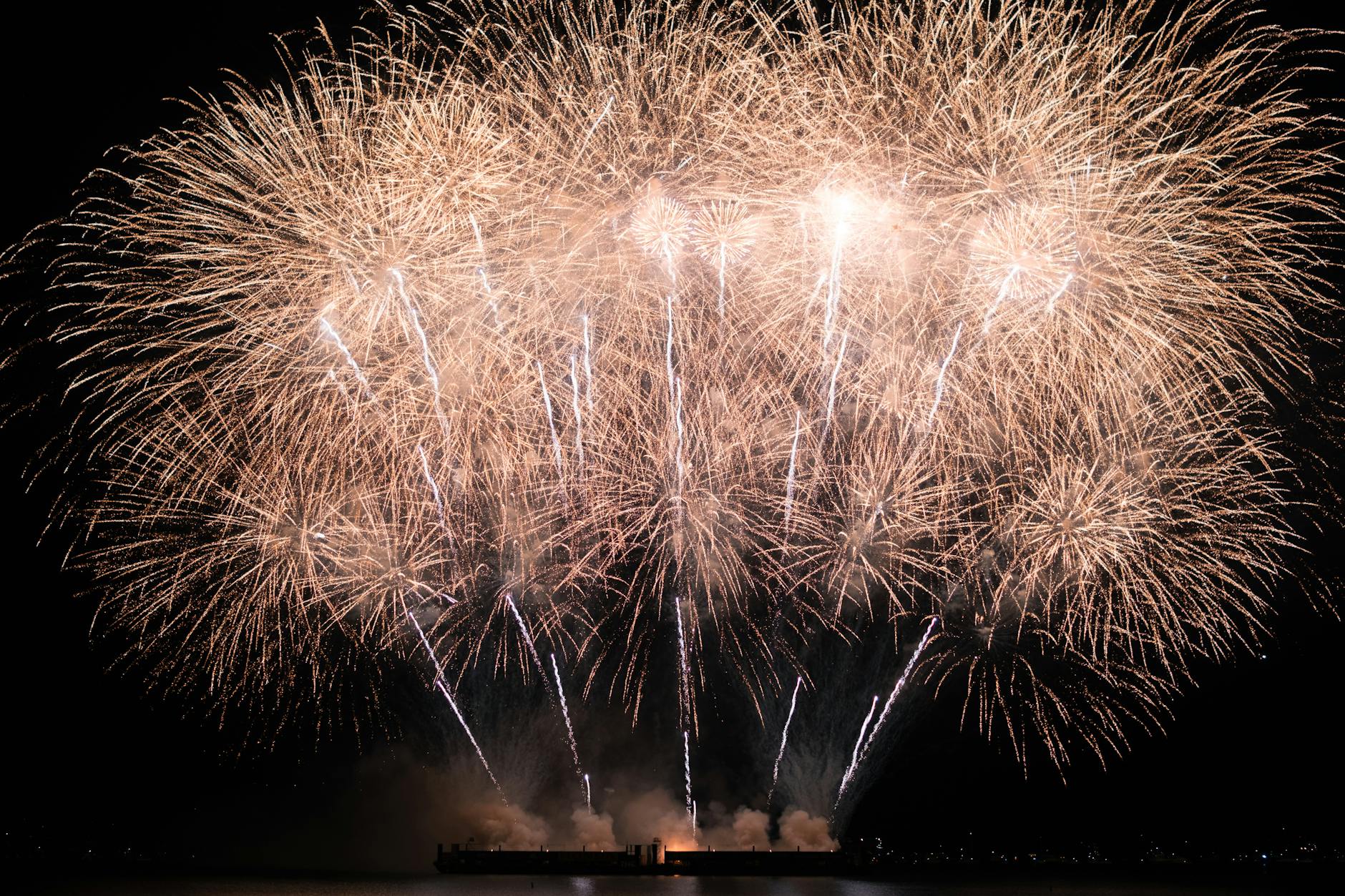
- Honda Celebration of Light fireworks (3 Saturday evenings late July through early August) — see below
- Vancouver Pride Week (late July, with parade typically last weekend of July or first of August)
- Vancouver Folk Music Festival (3rd weekend of July, Jericho Beach)
- Bard on the Beach in full swing
- Beach water reaches 18 °C — locals swim
- FIFA World Cup 2026 matches (mid-June through July 5; 7 matches total)
Best for: Visitors who want maximum sunshine, festival density, and don’t mind crowds.

Vancouver in August
August is more relaxed than July — schools are quiet, locals take vacation, the city’s pace settles slightly.
August weather:
- Average high: 22 °C (72 °F)
- Average low: 14 °C (57 °F)
- Rain days: 5
- Daylight: 15 h 15 m to 14 h 0 m
August highlights:
- Honda Celebration of Light fireworks continue (typically 1-2 weekends in early August)
- Vancouver Pride parade (often early August)
- Powell Street Festival (early August, Japantown) — Japanese-Canadian heritage festival
- Squamish Days Loggers Sports Festival (BC long weekend in August)
- Pacific National Exhibition (PNE) — late August through early September; the city’s biggest summer fair
- Rain returns slightly mid-month (first thunderstorms possible)
Best for: Families with kids on summer break, visitors prioritizing the PNE, those who want late-summer warmth without July’s peak.
Vancouver Beaches in Summer
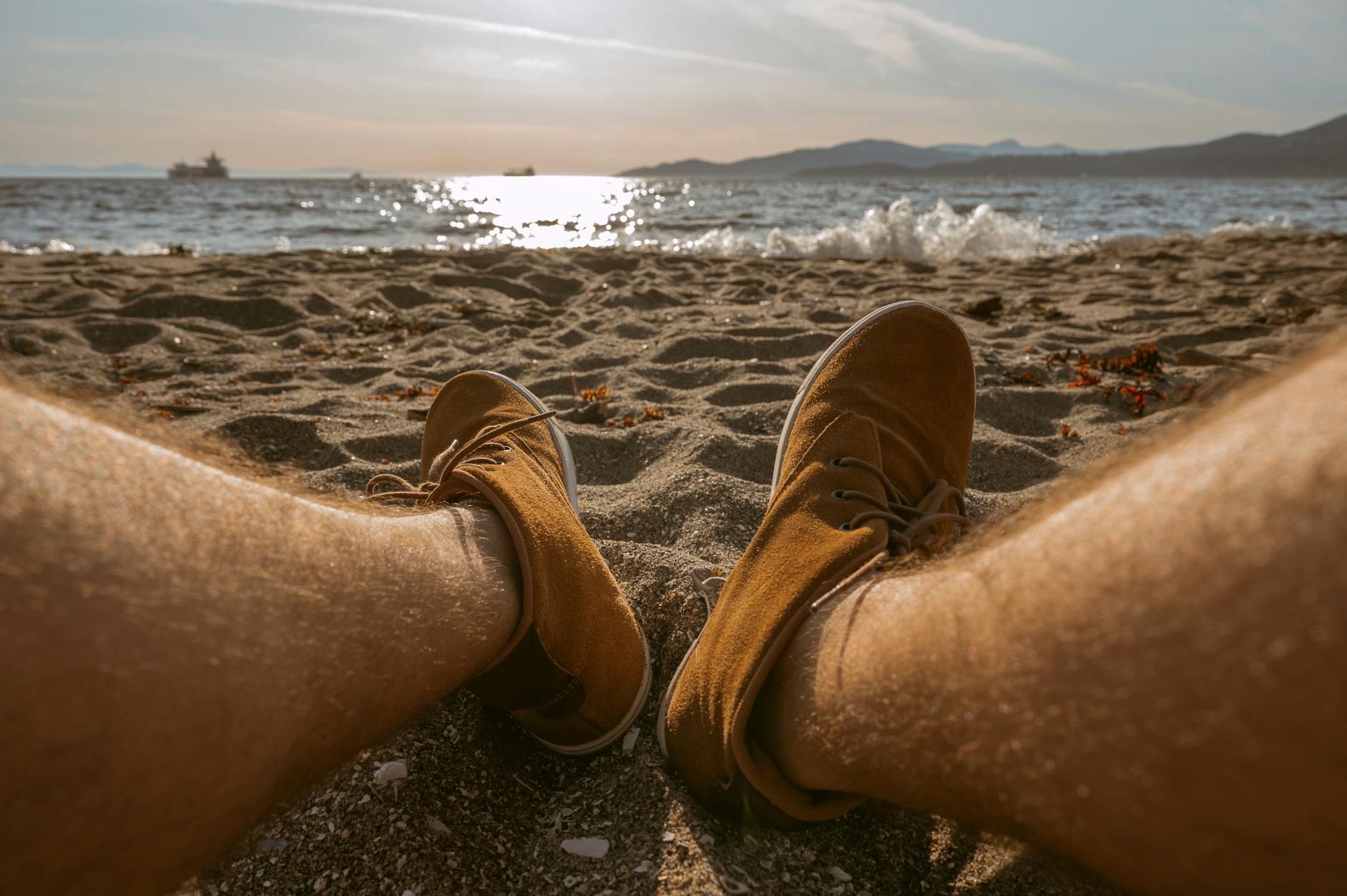
Vancouver’s beaches operate full-service from late May through Labour Day. Lifeguards on duty 11:30 a.m. – 8:30 p.m. daily during summer. Free public access, free parking nearby.
Best Vancouver beaches:
- Kitsilano Beach (Kits) — the most-loved; 2 km of sand, the 137 m heated saltwater Kitsilano Pool, volleyball nets, the Kits Showboat amphitheatre. See our Kitsilano guide.
- English Bay Beach — Vancouver’s iconic sunset beach; the AAA Engaging laughing-bronze figures; the Honda Celebration of Light fireworks site.
- Second Beach (Stanley Park) — heated 50 m saltwater pool; family playground; concession stand.
- Third Beach (Stanley Park) — sunset drum circle Tuesday nights; quieter than Second.
- Spanish Banks — quieter; westernmost; Coal Harbour and downtown views.
- Jericho Beach — Vancouver Folk Music Festival site; sailing club.
Beach water: 15–18 °C (59–64 °F) at peak. Locals do swim; most visitors wade. Heated pools at Second Beach and Kitsilano Pool are the alternative.
Summer Festivals & Events
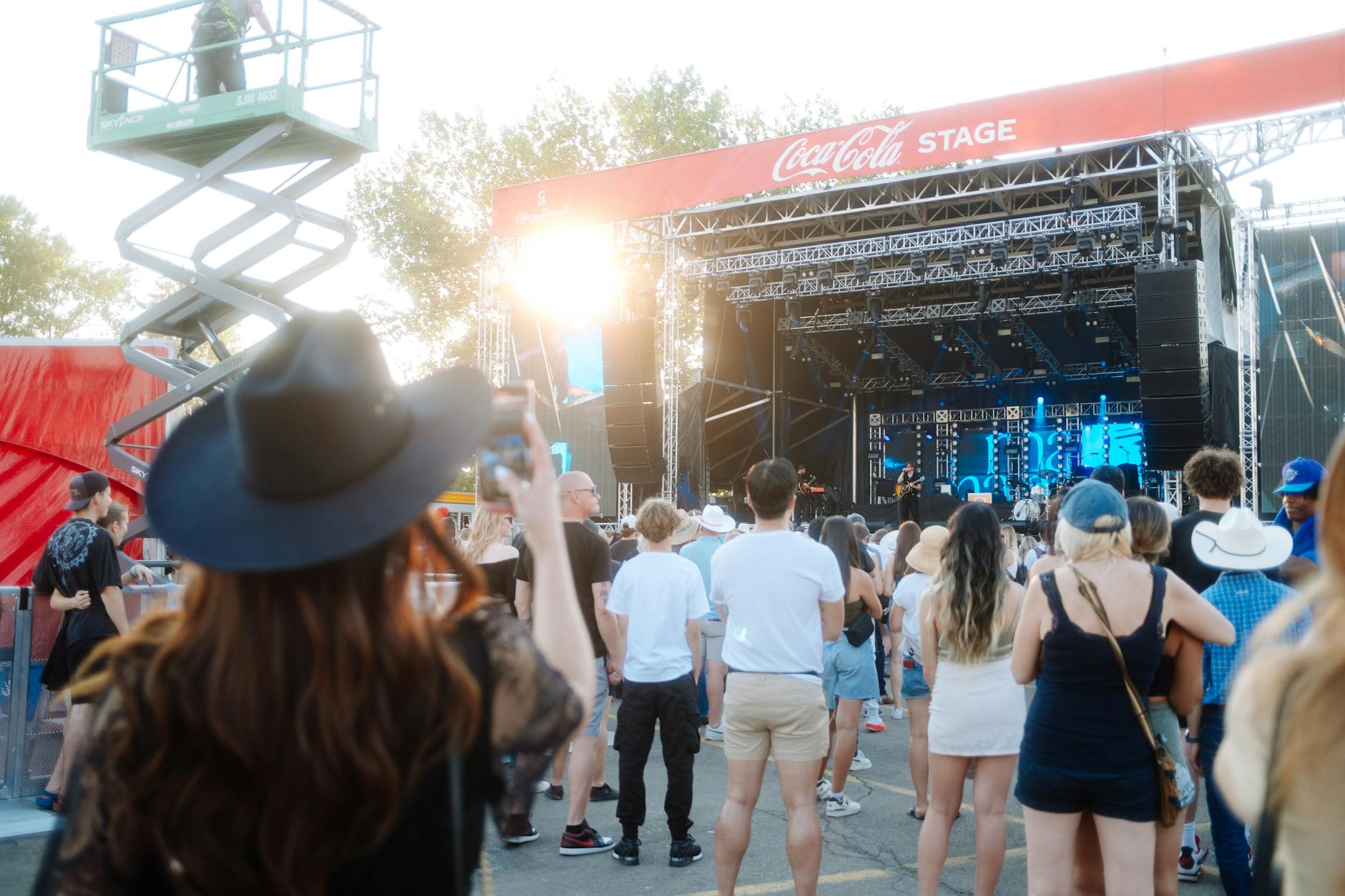
Vancouver is one of North America’s most festival-dense summer cities:
TD Vancouver International Jazz Festival (late June – early July). 300+ concerts; 150+ free outdoor shows.
Bard on the Beach (June through September). Shakespeare in tents at Vanier Park.
Honda Celebration of Light (3 Saturday evenings late July to early August). Three nations’ fireworks competition over English Bay; 1.5 million spectators total.
Vancouver Pride (late July through early August). Parade typically the first Sunday of August.
Vancouver Folk Music Festival (3rd weekend of July, Jericho Beach).
Powell Street Festival (early August, Japantown). Japanese-Canadian heritage festival.
Pacific National Exhibition (PNE) (late August – early September). Vancouver’s biggest summer fair; rides, concerts, food.
Squamish Days Loggers Sports Festival (BC long weekend in August).
FIFA World Cup 2026 (mid-June – July 5). Vancouver hosts 7 matches at BC Place.
For full event details see our Vancouver events and festivals pillar.

Honda Celebration of Light Fireworks
The Honda Celebration of Light is Vancouver’s biggest annual summer event — three Saturday-evening fireworks competitions over English Bay between countries (Canada, plus 2 international competitors). Each show is 25 minutes of synchronized music + fireworks; 1.5 million spectators across the 3 evenings.
2026 dates (provisional, to be confirmed): Late July through early August Saturdays.
Free. The event itself charges nothing.
Best viewing spots:
- English Bay Beach — front row but extremely crowded; arrive 4–5 hours early.
- Stanley Park’s Second Beach — slightly less crowded, similar view.
- Kitsilano Beach — across the bay; less crowded; equally good fireworks.
- Vanier Park — by the Maritime Museum; family-friendly.
- Granville Island rooftops — informal local viewing.
- Jericho Beach — far west; quieter.
Practical advice: Bring blankets, snacks, water (alcohol prohibited at the beach during the event). Public transit is often the only way in; the SkyTrain and downtown buses are running with extra capacity.

Things to Do in Vancouver Summer
Beyond beaches and festivals, summer-specific activities:
Stanley Park Seawall by bike. Spokes (Denman & Georgia) from $8/hour. The 9 km loop is at peak attractiveness in summer with full leafing trees and 9:30 p.m. sunsets.
Aquabus to Granville Island. 5-minute crossing; the Public Market food court is the lunch anchor.
Whistler PEAK 2 PEAK Gondola. Open year-round; summer alpine hiking from the gondola tops is exceptional. See our Vancouver and Whistler itinerary.
Sea-to-Sky Gondola in Squamish. Open year-round; summer is peak.
Capilano Suspension Bridge. Free shuttle from downtown; busy in summer but the temperate rainforest is at peak greenery.
Indigenous-led tours. Talaysay’s Stanley Park “Talking Trees” walks are at peak in summer.
Granville Island free Water Park. Open mid-May to early September; one of North America’s largest free outdoor water parks.
Outdoor patios everywhere. Cardero’s, Tap & Barrel, Joe Fortes, Provence Marinaside — pick any patio with a water view.

Summer Day Trips from Vancouver
Summer is the best season for any day trip:
Whistler. 90 minutes north on Sea-to-Sky; PEAK 2 PEAK Gondola, hiking, mountain biking. See our Vancouver and Whistler itinerary.
Victoria. Ferry-and-bus 3 hours; the gardens at Butchart and Beacon Hill are peak. See our Vancouver day trips pillar.
Tofino. 6.5 hours; surf town on the West Coast of Vancouver Island. Best for 2+ night visits. See our 7 days in Vancouver pillar.
Sunshine Coast. 40-minute ferry from Horseshoe Bay; quiet coastal villages. Excellent in summer.
Gulf Islands (Salt Spring, Galiano, Mayne, Pender). 3-hour ferry; quirky island culture; spring-fall.
Sea-to-Sky Gondola. Squamish, 60 minutes north; alpine views with snow on peaks even in July.

What to Wear in Vancouver Summer
Vancouver summer is mild — never as hot as Toronto or Montreal. The reliable pattern:
- Light layers — t-shirt + light fleece/sweater for cool mornings/evenings
- Long sleeves for evenings — temperatures drop 10 °C between mid-afternoon and 9:30 p.m. sunset
- Sunglasses — Pacific reflects strongly
- Swimwear — for Kitsilano Pool, Second Beach Pool, beaches
- Walking shoes — sandals for beaches, walking shoes for the seawall
- Light rain jacket — even summer has 5 rain days a month
- Sunscreen — yes, even in cloudy Vancouver; the Pacific air is clear and UV is intense
- Hat or cap — for Stanley Park bike rides and beach time
Forget the heavy coats; forget the heavy waterproof pants. Vancouver summer rain is light and brief.
Tips for Avoiding Summer Crowds
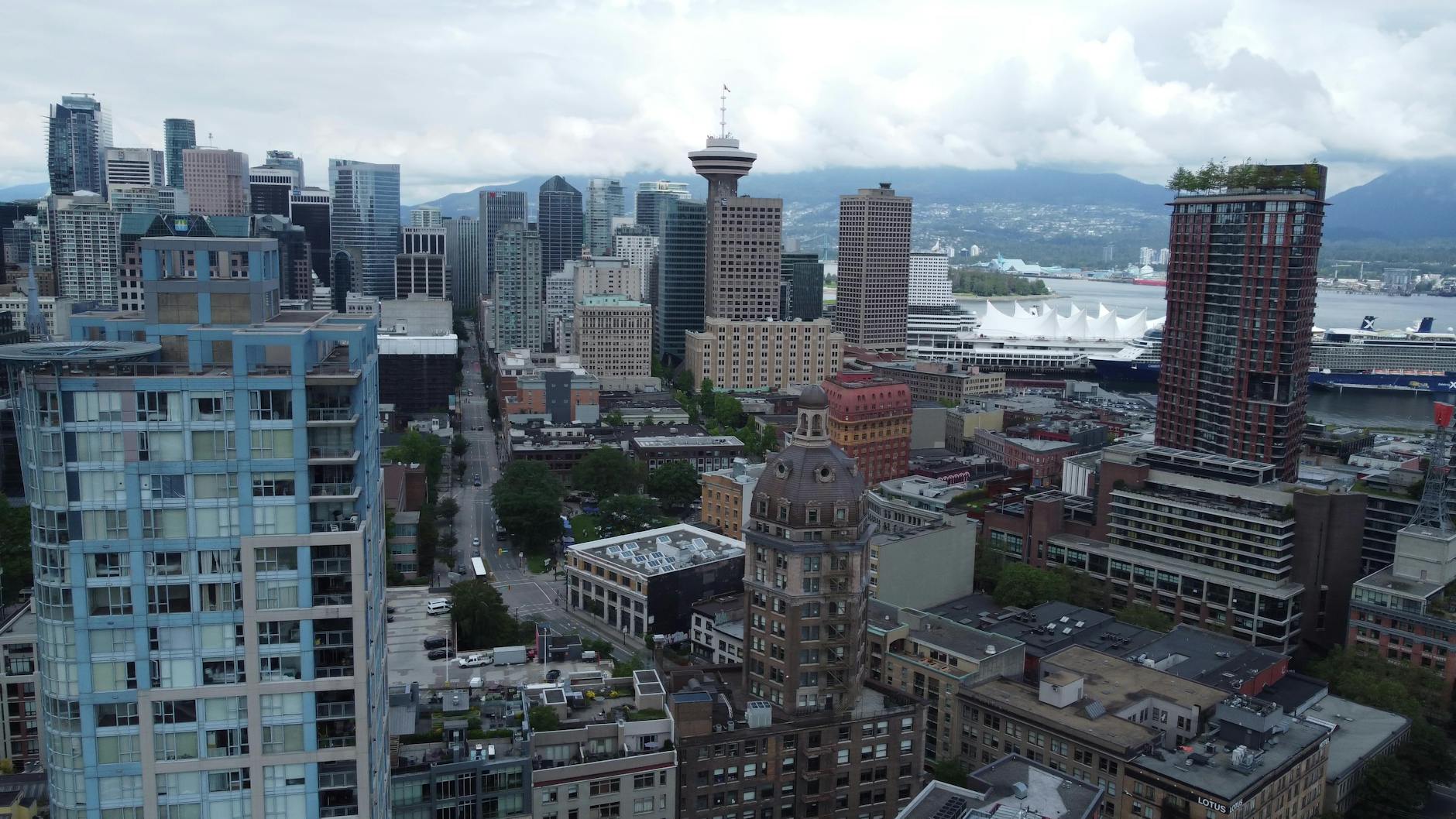
If you must visit in peak summer (July–August), strategies to enjoy the city:
1. Visit Stanley Park before 10 a.m. or after 6 p.m. The seawall is uncomfortably crowded 11 a.m. – 4 p.m. Early morning and evening are when locals enjoy it.
2. Skip the Saturday Capilano. Mid-week or Sunday-mornings are dramatically less crowded.
3. Eat dinner at 5:30 or 9:00 p.m. The 7:00 p.m. peak window has 30+ minute waits at popular restaurants.
4. Use Granville Island Public Market on Tuesday or Wednesday morning. Saturday is uncomfortable.
5. Stay at hotels in the West End or Yaletown rather than Robson. Quieter neighbourhoods; same walking distance to attractions.
6. Add Richmond Asian food courts to your plan. Locals’ lunch alternative; almost no tourist crowds.
7. Day trip to the Sunshine Coast or Gulf Islands. Cuts you off from the cruise crowds entirely.
8. Book reservations in advance. Cocktail bars (The Diamond, Botanist) book 24+ hours ahead in summer.
Vancouver in Summer FAQs
Is summer the best time to visit Vancouver?
Summer has the most reliable weather (4 days of sunshine for every rainy day) and the most festival density, but also the highest crowds (cruise season collides with school holidays) and 30–60% higher hotel prices than shoulder season. June and August are gentler than July; September is even better.
What is the weather like in Vancouver in summer?
June averages 19 °C (66 °F) high; July and August both average 22 °C (72 °F). Summer is mild — Vancouver rarely gets above 28 °C — and dry (5 rain days/month in July and August).
Can you swim in Vancouver in summer?
Yes, but the ocean is cold (15–18 °C / 59–64 °F at peak summer). Locals swim; most visitors wade. Heated pools at Kitsilano Pool (137 m) and Second Beach Pool are the warmer alternatives.
What’s the best month for Vancouver in summer?
June for the lowest crowds with full summer weather; August for school-holiday families; July for festival density and FIFA World Cup matches (June 17–July 5, 2026). September has even better weather but is shoulder-not-summer.
What festivals happen in Vancouver in summer?
TD Vancouver International Jazz Festival, Bard on the Beach, Honda Celebration of Light, Vancouver Pride, Vancouver Folk Music Festival, Powell Street Festival, PNE, Squamish Days, and FIFA World Cup matches.
How crowded is Vancouver in summer?
Very. Cruise season (April–October peaks July–August) brings 1.4 million annual cruise passengers. Stanley Park Seawall is uncomfortably crowded mid-day in July. Visit early morning, after 6 p.m., or shoulder-season for less density.
What should I wear in Vancouver in summer?
Light layers — t-shirt + light fleece for cool mornings/evenings. Long sleeves for after sunset (temperatures drop 10 °C). Walking shoes, sunglasses, swimwear, light rain jacket. Forget heavy coats and full waterproofs.
Is the Honda Celebration of Light fireworks free?
Yes — completely free. Three Saturday-evening shows late July to early August over English Bay. Arrive 4–5 hours early for prime beach seating; 1.5 million total spectators across the 3 evenings.
Vancouver FIFA World Cup 2026: Match Schedule & Visitor Tips
Vancouver is one of 16 host cities for the FIFA World Cup 2026, with 7 matches scheduled at BC Place stadium between June 17 and July 5, 2026. For visitors timing their summer Vancouver trip around the World Cup, the practical reality:
Vancouver match schedule (provisional, as of 2026): 7 matches across the group stage and round of 32. Specific opponents are determined by the tournament draw; check FIFA.com for current matchups closer to event dates.
BC Place capacity. 54,500 seats. About 380,000 ticket-holders attending across the 7 matches plus official guests. Vancouver’s FIFA Fan Festival (free outdoor screenings of all matches) runs at the Vancouver Convention Centre during the entire tournament.
Hotel pricing during World Cup. Massive spike — typically 100–300% above non-event Vancouver pricing. The cheapest downtown hotels reach $400–$600/night during match days; mid-range hits $700–$1,000; luxury can hit $2,000+/night. Vancouver hotels commonly require 3-night minimum stays during peak match weekends.
Booking strategy for World Cup visitors:
- Book 9–12 months ahead. Tournament schedules were finalized in late 2025; the most-organized visitors booked immediately after the December 2025 draw.
- Consider Burnaby and Richmond hotels. Lower prices (typically 30–50% below downtown rates) with Canada Line/Expo Line SkyTrain access to BC Place in 15–20 minutes. The Hilton Vancouver Metrotown, Element Vancouver Metrotown, and various Richmond chain hotels become the budget alternative.
- Whistler is 90 minutes away. Whistler hotels are essentially fully booked but at non-FIFA pricing — Vancouver+Whistler combo trips work well.
- Vancouver vacation rentals. Significant Airbnb listings restrict bookings to 3+ nights during match weekends. Verify cancellation policies — some vacation rentals have strict cancellation terms tied to event commitments.
Getting to BC Place. SkyTrain Stadium-Chinatown station is directly across from BC Place — 5 minutes’ walk. Match-day SkyTrain runs at maximum frequency (every 2–3 minutes); major match days have additional dedicated trains. Driving is impractical — limited parking and major road closures around BC Place during matches.
FIFA Fan Festival. Free outdoor viewing of all World Cup matches at Vancouver Convention Centre West. Big screens, food vendors, beer garden (19+), interactive activities for kids. Open during tournament dates from 11 a.m. – 11 p.m. Best for visitors who don’t have match tickets but want the World Cup atmosphere. Expect 10,000–20,000 spectators on busy match days.
Beyond the matches. The World Cup brings global visitors to Vancouver — the city’s restaurants, hotels, and attractions are at peak demand. Reservation booking windows extend 4–6 weeks ahead during the tournament. Restaurants visiting the city for the first time get particularly aggressive booking.
Local viewing alternatives. Vancouver pubs and sports bars run World Cup viewing parties: Doolin’s Irish Pub (Granville), the Gallery Bar (Coast Coal Harbour), and the Royal Pub (Robson) all reliably show all matches. Cover charges $20–$50 for major matches.
Wildfire Smoke: Vancouver’s Summer Reality
British Columbia’s wildfire season (typically July–September) increasingly affects Vancouver air quality. Smoke from interior BC fires can push Vancouver’s air-quality index from “good” to “unhealthy” within hours, sometimes lasting days. Visitors planning summer trips should understand and prepare for this.
2020s wildfire pattern. Vancouver typically experiences 5–15 days of “moderately impacted” air quality each summer (AQI 50–100, technically in the “moderate” range but visible as smoky atmosphere). Severe events (AQI 100+, “unhealthy” range) happen 0–7 days per year, mostly concentrated in July–September.
2017–2024 worst events. The 2017 BC wildfire season produced 23 days of “unhealthy” Vancouver air; 2018 produced 14 days; 2023 produced 12 days. The 2021 atmospheric river floods reduced 2021 wildfire severity (less drought); 2022 was moderate. The pattern is variable but trending toward more frequent severe events.
How to monitor air quality. The Government of Canada Air Quality Health Index (AQHI) at airquality.gc.ca provides daily and hourly Vancouver air quality readings. The free PurpleAir.com sensor network has hyperlocal Vancouver readings. Most weather apps (Apple Weather, Google Weather) include daily AQI.
What to do on smoky days:
- Move indoors. Vancouver Aquarium, Museum of Anthropology, Granville Island Public Market, Vancouver Lookout — all indoor activities not affected by air quality.
- Avoid heavy outdoor exercise. Skip the Stanley Park Seawall run on smoky days; do indoor pool laps at the Vancouver Aquatic Centre instead.
- Wear N95/KN95 masks if outdoors. Pharmacies stock these; Shoppers Drug Mart and London Drugs always have inventory.
- Hotel HVAC. Modern downtown hotels have good HEPA filtration. Older heritage hotels (Sylvia, Buchan) have weaker filtration; smoke can penetrate.
- Cancellation policies. Some hotels and tour operators offer “smoke event” cancellation for trips affected by Air Quality Health Index 7+ days. Travel insurance covering “force majeure” events typically covers wildfire smoke disruptions.
Smoke-affected attractions. Capilano Suspension Bridge, Grouse Mountain Skyride, and outdoor patios are all affected during smoky periods. Check the day’s air quality before paying for these. The Capilano Cliffwalk has glass-floor shelter that helps; Grouse summit views are obscured by smoke ceiling.
Staying healthy during smoky days. Pregnant women, asthmatics, young children, and the elderly are most affected by wildfire smoke. Symptoms include coughing, throat irritation, eye irritation, and increased asthma. If symptoms develop: move indoors immediately; rinse eyes with cool water; use Reactine (cetirizine) for histamine response; seek medical care if symptoms worsen.
What to do if your trip lands in a major smoke event. Indoor-only itinerary: Vancouver Aquarium morning, Granville Island Public Market lunch, Vancouver Lookout afternoon, Vancouver Art Gallery, indoor restaurant dinner. Day trips become problematic: Whistler is often clearer than Vancouver during BC interior fires; Tofino is sometimes affected by Pacific marine air mixing.
Vancouver Summer Water Activities & Rentals
Vancouver’s coastal location means summer water activities are central to the local lifestyle. Visitors can rent equipment and join the scene at multiple locations.
Stand-up paddleboarding (SUP).
- Vanier Park (English Bay launch): Vancouver’s most popular SUP launch. Calm waters in early morning; wave-affected by afternoon. Rentals from Ocean Sports Vancouver: $25/hour, $50 half-day, $80 full day. Beginner lessons $80; 90 minutes.
- Coal Harbour Marina: Calmer protected waters. Rentals at Coal Harbour Yacht Club: $30/hour. Often quieter than English Bay.
- Trout Lake (East Vancouver): Freshwater alternative; calmer than ocean SUP. Rentals from Vancouver SUP: $25/hour.
Kayaking.
- Coal Harbour Marina: Single kayak rental $40/2 hours, $70 full day. Tandem kayak $60/2 hours. Excellent for paddling around Stanley Park’s shoreline.
- Vanier Park: Single $35/2 hours; tandem $50/2 hours.
- Granville Island: Sea Kayak Vancouver runs guided tours from Granville Island; 3-hour tour $99.
- Indian Arm (Deep Cove): 25 minutes from downtown; 30 km of fjord. Deep Cove Kayak rents from $45/2 hours; guided sunset tours $89.
Sailing and yachting. Coal Harbour Marina offers sailboat charters, sailing lessons, and yacht rentals:
- Cooper Boating Vancouver at Granville Island: Sailing lessons from $300/4 hours; full-day sailing certifications $695.
- Skookumchuck Charters from Coal Harbour: Half-day yacht charters from $1,200 (10–15 guests, captain included).
- Vancouver Yacht Charters: Full-day charters $2,500+; sunset cruises $800.
Surfing (in Tofino, day-trip from Vancouver). Long Beach in Tofino is the West Coast’s primary surf destination. Surf rentals $40 + lessons $99 from Surf Sister or Pacific Surf School. The drive from Vancouver is 6.5 hours each way; most surfing visitors stay in Tofino for 2–3 nights.
Fishing. Vancouver has multiple fishing options:
- Salmon fishing in the Fraser River: Charters from $300/half-day per person. Open seasonally (May–October).
- Halibut fishing in Howe Sound: Charters from $500/full-day per person. Seasonal.
- Lake fishing in BC: Bowron Lake and Capilano Lake (smaller scale) are accessible day-trips from Vancouver.
- Fishing licences: BC freshwater licence $24/day; saltwater licence $13/day. Available at any sporting goods store.
Whale-watching. Multiple companies offer whale-watching tours from Vancouver Harbour and Granville Island:
- Prince of Whales (Coal Harbour): 4-hour tour $169 adult; 95% sighting rate during peak season (May–October).
- Vancouver Whale Watch (Steveston, Richmond): 4-hour tour $159; smaller boats; quieter experience.
- BC Ferries to Victoria: Free chance to see whales during the 1.5-hour Tsawwassen-Swartz Bay crossing; orca pods regularly transit the route May–October.
Beach swimming pools (heated outdoor).
- Kitsilano Pool: 137 m heated saltwater outdoor pool. Open mid-May to mid-September. Adult $7.91. Canada’s longest outdoor pool.
- Second Beach Pool (Stanley Park): 50 m heated saltwater. Open mid-May to mid-September. Adult $7.91.
- Vancouver Aquatic Centre: 50 m indoor heated pool; year-round. Adult $7.91.
- Hillcrest Centre Aquatic: Family-friendly indoor pool; year-round. Adult $7.91.
Related reading: Best Time to Visit Vancouver · Vancouver in Spring · Vancouver in Fall · Vancouver in Winter · Events & Festivals · Outdoor Activities